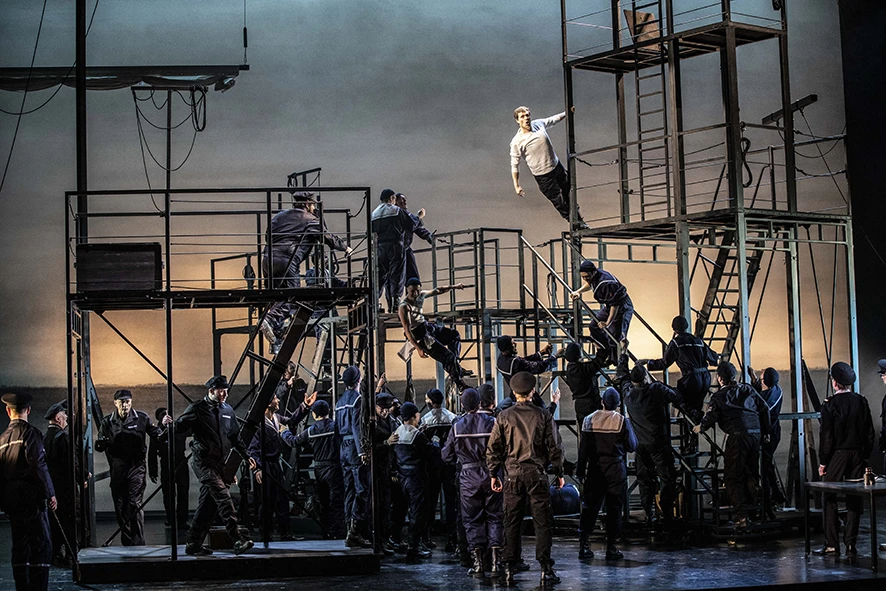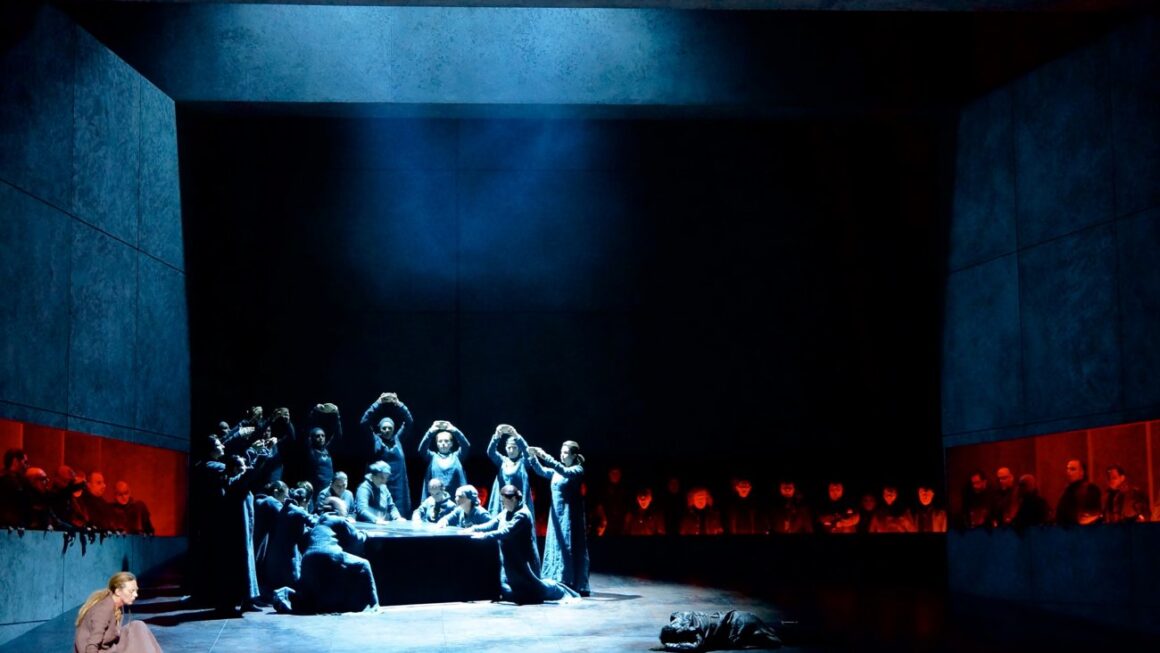
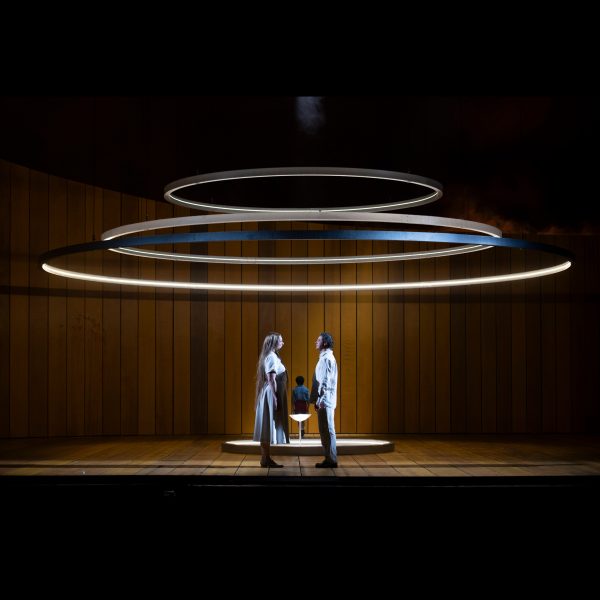
Opening a season in Rome is never a trivial gesture. In Italy more than anywhere else, a first night carries symbolic weight: it sets an artistic direction, commits an institution, shapes expectations. This year, Lohengrin launches the season in a new production by Damiano Michieletto. His aesthetic is immediately recognisable: clean lines, rounded volumes, abstract spaces that seem to float outside of reality. The symbolic vocabulary sometimes frays or evades clarity, yet the staging never stifles the music; instead, it allows it to breathe with intelligence
In the pit, Michele Mariotti offers an unexpectedly luminous Wagner. His supple gesture and his way of shaping phrases as if guiding a cantante italiano give the score a new kind of breath: a Wagner with an Italian accent, singing, articulated, illuminated by an almost bel canto clarity. This reading never diminishes the dramatic tension; rather, it reveals it differently, emphasising line over weight. Lohengrin gains a rare transparency and a remarkably fluid narrative arc.
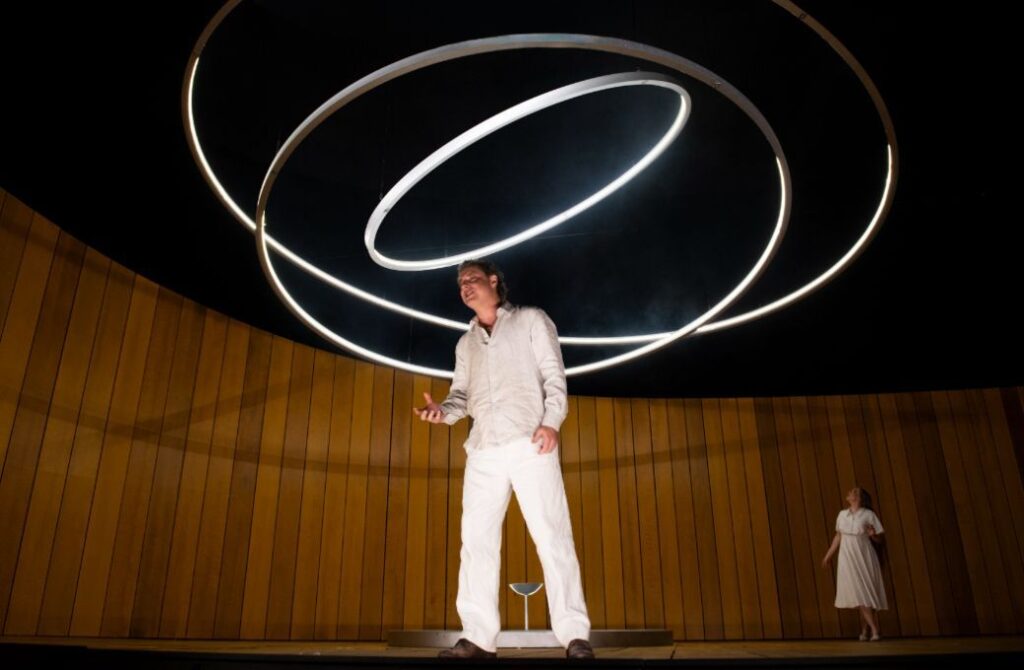
The revelation of the evening is the title role. Dmitry Korchak, long associated with the Rossinian repertoire, ventures here into new territory with tightrope‑walker discipline. The success is evident: the line remains transparent, the emission controlled, the stamina impressive. At times one is reminded of Piotr Beczala’s recent role debut — not as a direct comparison, but because of that same ability to combine vocal luminosity with dramatic authority. His Act III, crowned by a meticulously sculpted “In fernem Land,” confirms that this Wagnerian foray is an unqualified triumph.
Opposite him, Jennifer Holloway offers an Elsa more complex than one might expect. Her voice has an instantly recognisable grain — warm without heaviness — and a way of softening attacks that lends the character an almost introspective depth. She embodies both Elsa’s vulnerability and a quiet inner determination that surfaces in moments of tension in Act I. Holloway tends to her legato with great care, shapes her lines with constant musicality, and finds in her duets with Korchak a rare fusion: their timbres blend almost organically, creating suspended moments of exquisite tenderness.
As Telramund, Tómas Tómasson chooses an approach less demonstrative than often heard, but deeply considered. His dark, slightly rough timbre grants the character a particular humanity: one senses not only wounded ambition, but also the underlying fragility of a man being manipulated. Tómasson builds his Telramund in layers — a first of fallen nobility, a second of nervous tension, and a third, almost whispered, where the terror of doubt emerges. This complexity makes his duo with Ortrud all the more striking: his restraint stands in powerful dramatic contrast to Gubanova’s magnetic dominance.
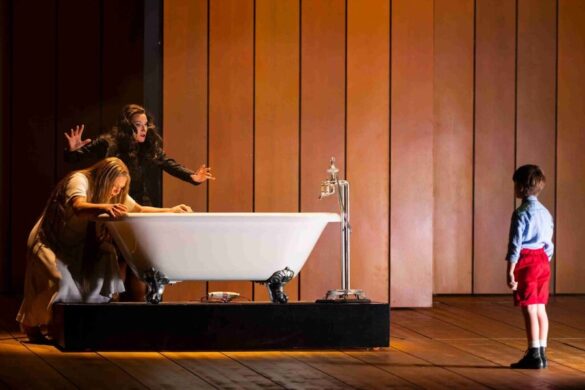
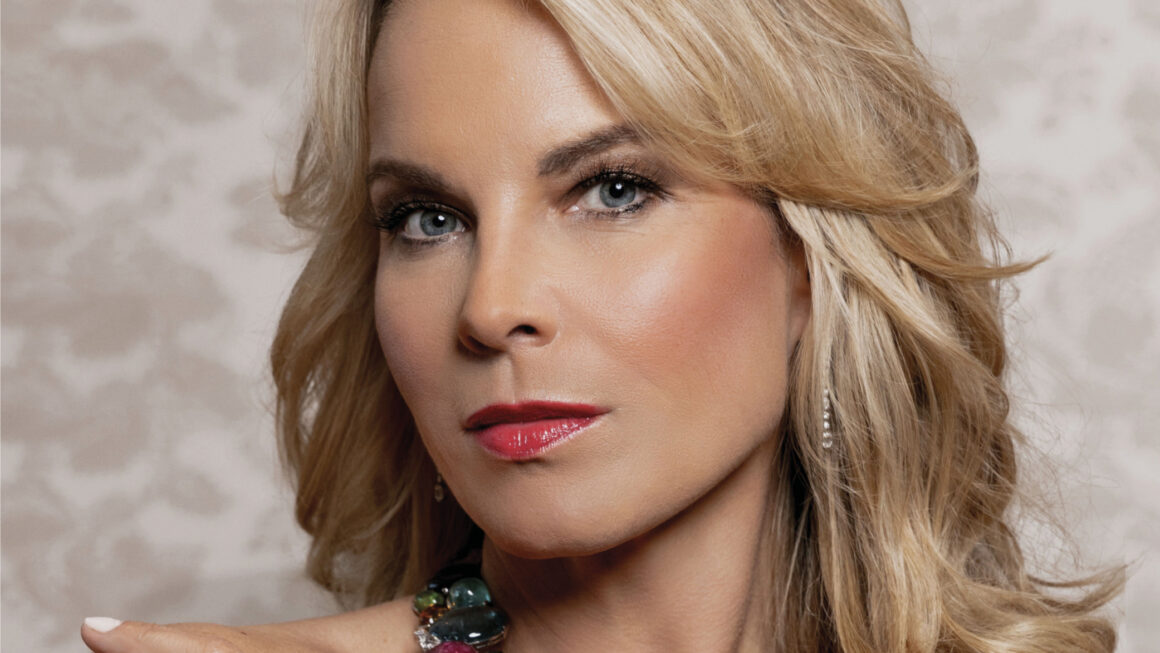
Ekaterina Gubanova’s Ortrud radiates absolute vocal and dramatic authority. It was already clear that she is today’s reference Wagnerian mezzo; this production only confirms it further. Power, incisive diction, sovereign breath control — everything is there. Her Act II, the true fulcrum of the opera, becomes in her hands a masterclass in dramatic intelligence. She dominates the stage without overacting, through the sheer force of timbre and expressive precision.
Clive Bayley brings noble gravity to King Heinrich, while Andrei Bondarenko’s Herald is sharply etched. The chorus, prepared by Ciro Visco, is outstanding — especially in the grand tableaux of Act I, where balance and cohesion are exemplary.
This season opener achieves its ambition: to merge the clarity of a director’s vision with a tradition of musical integrity. A coherent, at times captivating evening, guided by refined conducting and a cast boasting several performances destined to linger in the memory.
- Heinrich der Vogler: Clive Bayley
- Lohengrin: Dmitry Korchak
- Elsa von Brabant: Jennifer Holloway
- Friedrich von Telramund: Tómas Tómasson
- Ortrud: Ekaterina Gubanova
- The King’s Herald: Andrei Bondarenko
- Conductor: Michele Mariotti
- Director: Damiano Michieletto
- Chorus Master: Ciro Visco