Symphonic & Theatric — A Natural Rhyme
Some programmes barely need a stage: they play in images, and this one certainly did. Fauré’s Pelléas et Mélisande Suite unfolded less like a set of movements than like a series of scenes whispered into half‑light—strings murmuring emotional subtexts, woodwinds sketching an atmosphere so tactile you could almost follow Mélisande through it. The line between pit and stage dissolved instantly. Saint‑Saëns’ “Egyptian” Concerto brought its own kind of theatre: inner landscapes, sonic tableaux, the piano as protagonist setting and dissolving scenes. It isn’t programme music so much as dream‑architecture; every gesture summons a place, a time, a pulse. And with Prokofiev’s Romeo and Juliet in Sokhiev’s own suite selection, the implicit staging becomes almost literal: this is music built for bodies and decisions, for conflict and consequence, for arcs that behave like choreography. The concert hall became a theatre by sheer force of imagination.
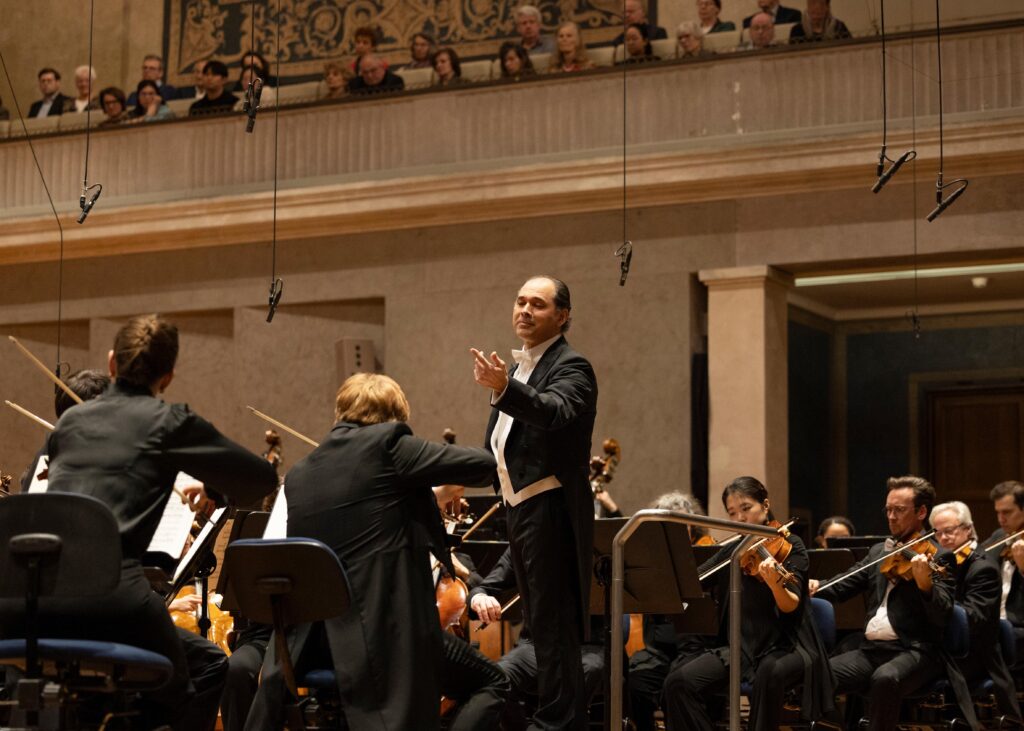
The Evening’s Actors: Sokhiev as Protagonist, Kantorow as Guest Star, the BRSO Giving the Reply
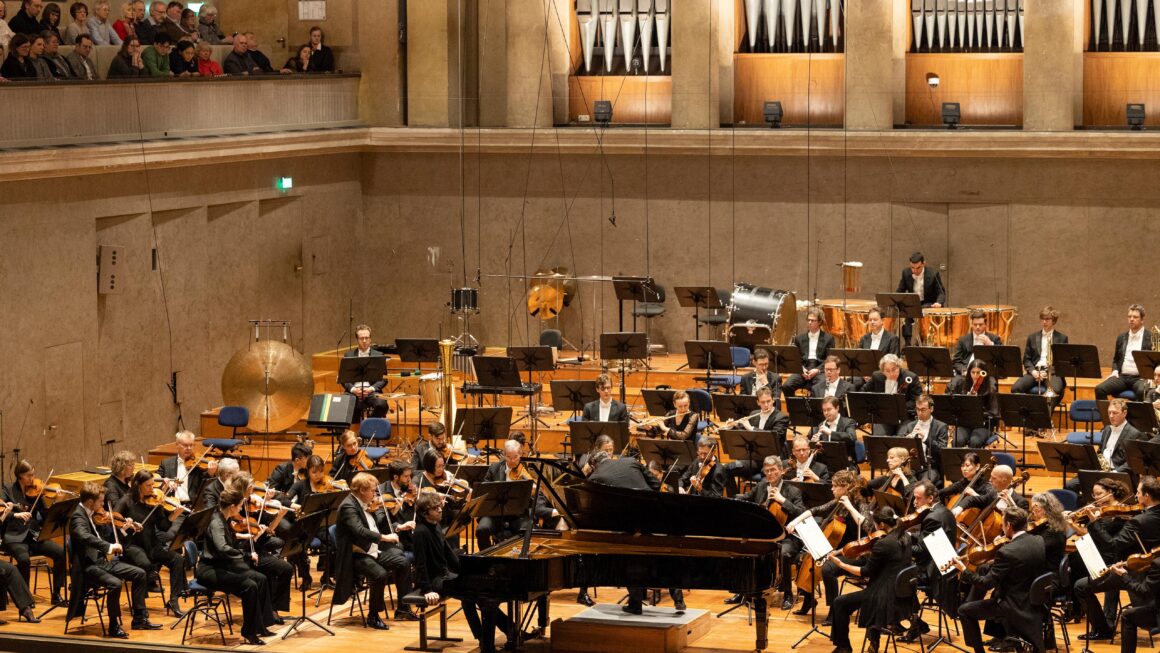
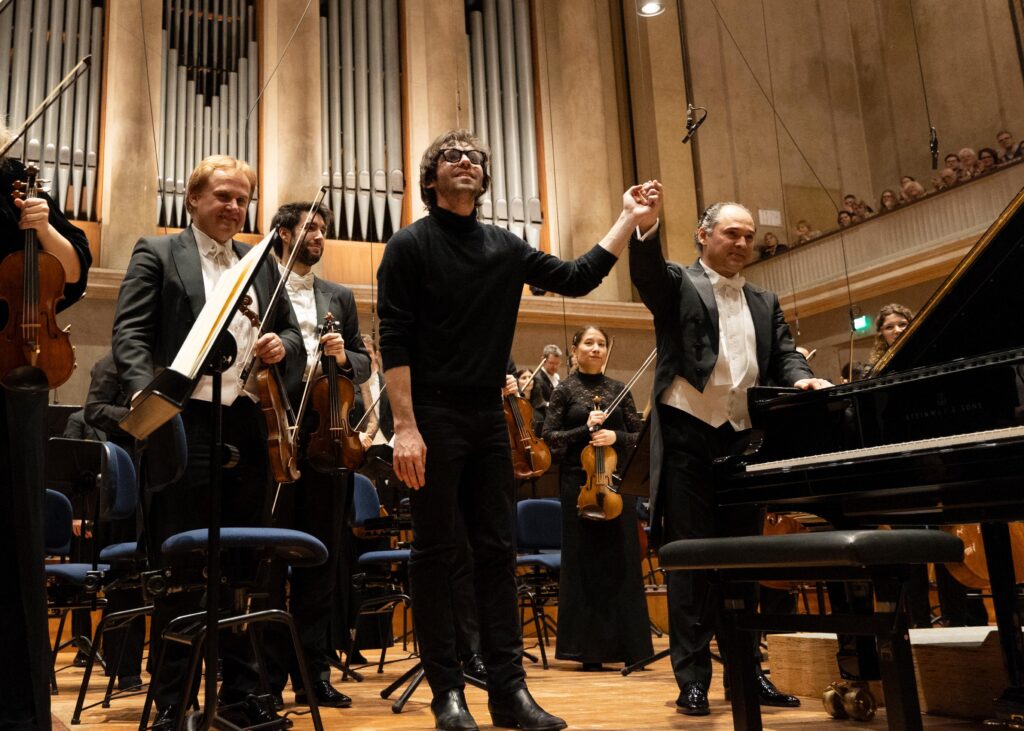
What made the evening truly work was the shared instinct of Sokhiev, Kantorow, and the BRSO: they refused to treat these works as abstract objects and instead played them like scenes in motion. Sokhiev shaped transitions like cues rather than technical pivots, sculpting lines with a dramaturge’s sense of timing. The BRSO replied with playing that was far more characterful than clean—phrases pushed forward like impulses, textures leaning into narrative intention. The gravitational centre, though, was Saint‑Saëns and the arrival of Alexandre Kantorow for his BRSO debut. He didn’t perform the concerto; he inhabited it. The first movement already had the gleam of storytelling, but the Second Movement became the true axis of the evening: no kitsch, no exoticised postcard, but a real crossing into a sonic Egypt—one of stone, shadow, heat, and reverie. Kantorow let the piano speak in hieroglyphs, the left hand like water against rock, the right an inscription of light; Sokhiev held time still; the BRSO breathed like desert air around him. It was theatre by suggestion, and it caught the room. Prokofiev confirmed the trio’s chemistry: Sokhiev paced the episodes like acts—feuds heavy with menace, Juliet’s tenderness shaped with a singer’s legato, the climaxes built with tragic inevitability. The orchestra responded with a physicality rare even for them: not pristine beauty, but intent, weight, clarity of gesture. Kantorow’s debut checked all the boxes: poise, colouristic instinct, narrative intelligence, and above all that uncommon ability to let quiet playing carry the scene.
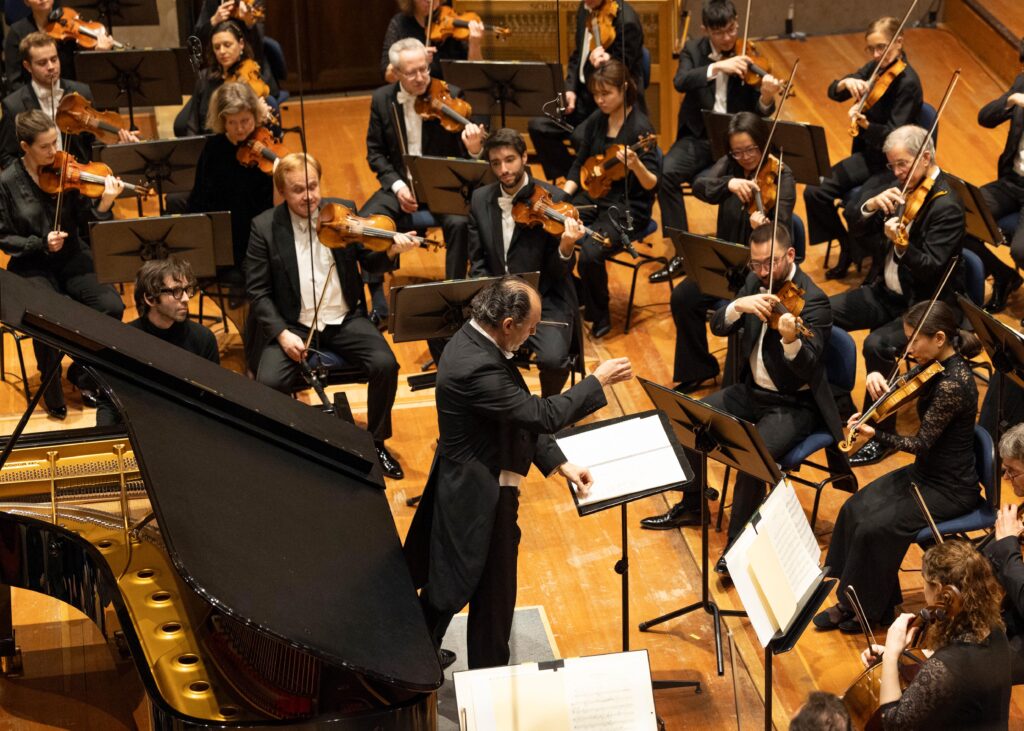
The Inverted Gesamtkunstwerk Every Opera Lover Should Seek Out
Evenings like this remind opera lovers why purely symphonic concerts are indispensable. In Fauré, the orchestra offers the unspoken—the psychological space opera usually assigns to staging. In Saint‑Saëns, the piano becomes a kind of wordless protagonist, the orchestra the scene around it. In Prokofiev, dramaturgy stands unclothed: pulse, conflict, release, catastrophe. It is a reversed Gesamtkunstwerk: instead of the arts converging onstage, one art—sound—suggests them all. The listener supplies the libretto, the staging, the architecture. And with a conductor who thinks like a dramatist, a soloist who plays like a storyteller, and an orchestra capable of embodying character rather than merely executing perfection, the result is not a concert but a theatre built internally, projected through sound alone. For opera lovers, this is essential nourishment: it sharpens the sense of line, deepens the ear for orchestral argument, and reminds us that even on the operatic stage, everything ultimately radiates from the pit. Sokhiev, Kantorow, and the BRSO proved it effortlessly: three works that demand to be seen, conjured by artists who know how to make you see with your ears.
***
Programme
Gabriel Fauré — Pelléas et Mélisande Suite, op. 80
Camille Saint‑Saëns — Piano Concerto No. 5 in F major, op. 103 “L’Égyptien”
Intermission
Sergei Prokofiev — Romeo and Juliet Suite, op. 64 (curated by Tugan Sokhiev)
Performers
Tugan Sokhiev, conductor
Alexandre Kantorow, piano (BRSO debut)
Symphonieorchester des Bayerischen Rundfunks