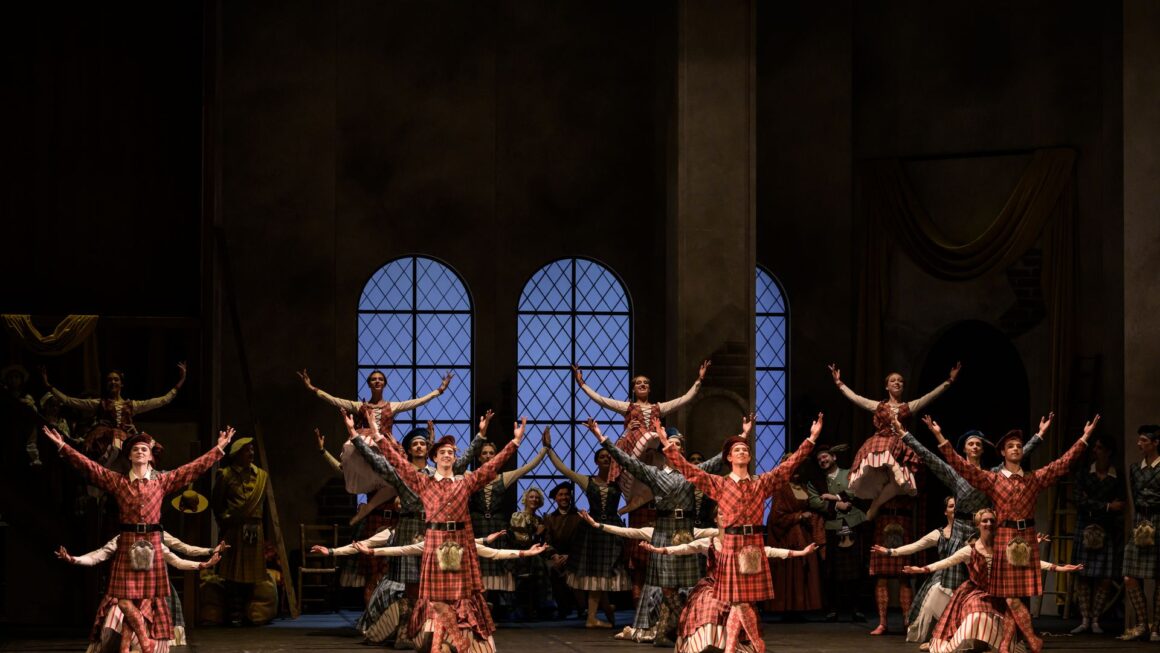
What makes La Sylphide especially meaningful for opera lovers is how recognisable its emotional grammar is. You don’t need to be deeply versed in ballet technique to feel at home: the storytelling follows the same arcs we respond to in opera — desire pitched against duty, illusion seducing reality, and a tragic ending that was inevitable long before the characters see it coming. The score breathes dramatically in the way good opera scores do, the pacing relies on the same balance of tension and release, and the movement phrasing often reads like wordless recitative. Watching it at the Staatsoper feels like encountering another dialect of the same art form: bodies replacing voices, gesture replacing text, but the emotional engineering remaining unmistakably operatic. You follow the story not through spectacle but through intention, timing, and the precision with which each character reveals themselves. It enriches the operatic eye because it strips narrative down to pure physical expression — a reminder of how much can be communicated when nothing is said.
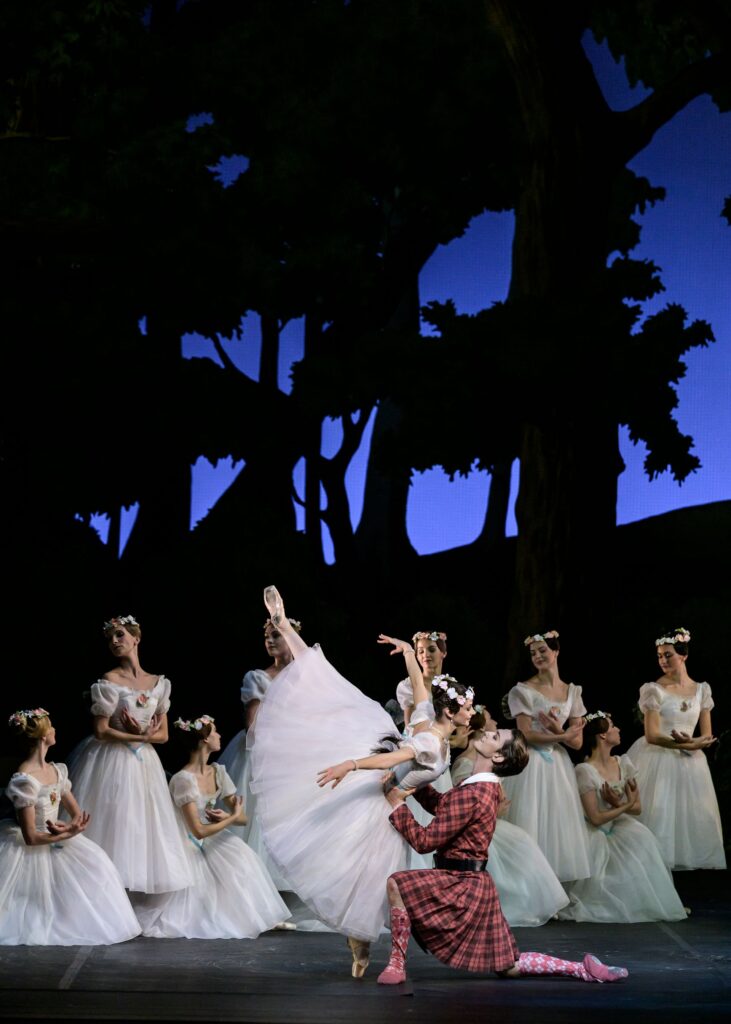
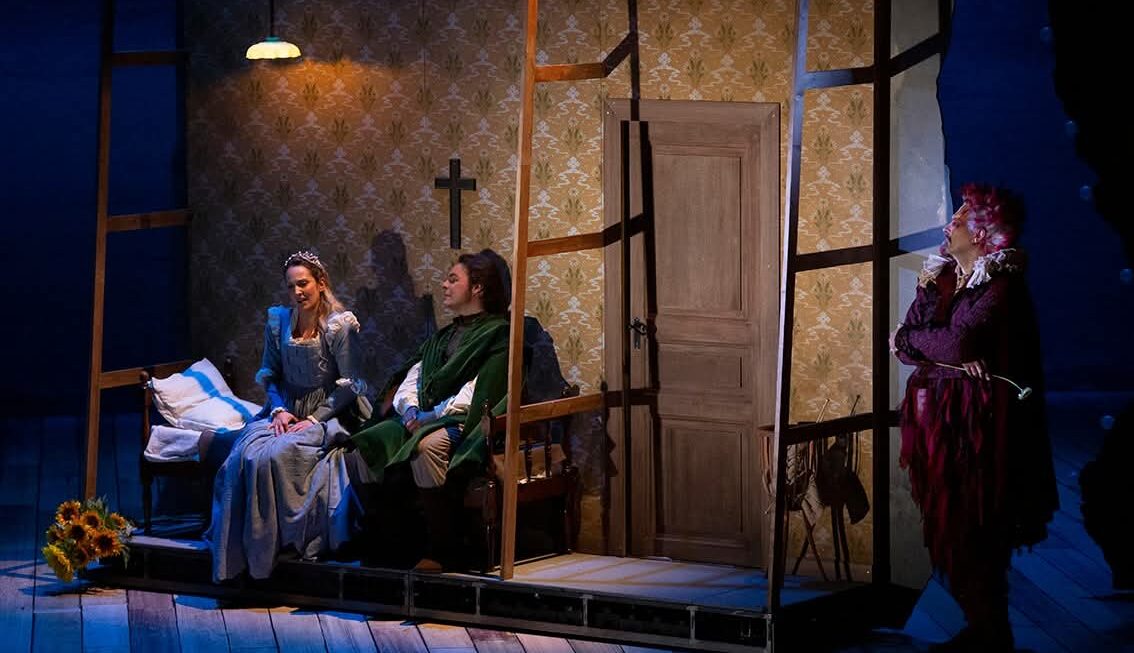
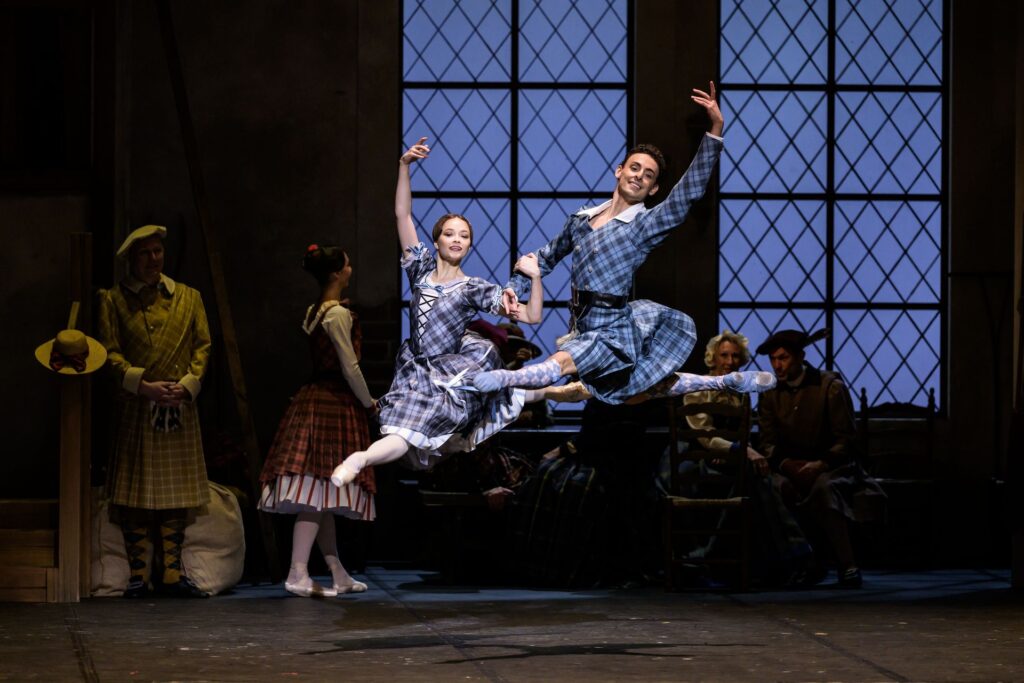
In performance, the production gave exactly that kind of clarity. Violetta Keller’s Sylphide had an expressive weightlessness that made the character’s pull entirely believable — she floated, yes, but she also meant every glance, every suspended breath. Julian MacKay shaped James with dramatic definition, charting the character’s inner fracture as clearly as any operatic tenor unraveling under the weight of a bad decision; his dancing had drive, elegance, and genuine emotional shading. Carollina Bastos offered a warm, sincere Effie, her musicality grounding the production’s earthly side, whileRobin Strona brought finely tuned theatrical instinct to Madge, playing menace through intention rather than exaggeration. Matteo Dilaghi made Gurn both charming and human, danced with clean line and bright presence. The Scottish pas de deux by Lizi Avsajanishvili and Frederick Stuckwischbrought crisp vitality, and the trio of Sylphides — Zhanna Gubanova, Phoebe Schembri, Elvina Ibraimova — delivered beautifully unified phrasing, giving the woodland scenes their necessary shimmer. Even the brief role of Effie’s Mother, danced by Séverine Ferrolier, was shaped with care. In the pit, David Garforth kept the music alive, warm, and responsive — conducting ballet with the same sensitivity a good maestro brings to singers: never overwhelming, always supporting, letting the drama breathe. The whole evening felt like a reminder that the Staatsoper isn’t a house of “opera versus ballet,” but a house of storytelling — and that both forms illuminate each other.
***
Cast
Sylphide: Violetta Keller
James: Julian MacKay
Effie: Carollina Bastos
Madge: Robin Strona
Gurn: Matteo Dilaghi
Effie’s Mother: Séverine Ferrolier
Scottish Pas de deux: Lizi Avsajanishvili & Frederick Stuckwisch
Drei Sylphiden: Zhanna Gubanova, Phoebe Schembri, Elvina Ibraimova
Musikalische Leitung: David Garforth · Choreographie: Pierre Lacotte (nach Taglioni) · Libretto: Adolphe Nourrit · Musik: Schneitzhoeffer & Maurer · Bühne: nach Pierre Ciceri · Kostüme: nach Eugène Lami · Licht: Christian Kass · Einstudierung: Laurent Hilaire, Anne Salmon