AKADEMIEKONZERT | Bayerische Staatsoper
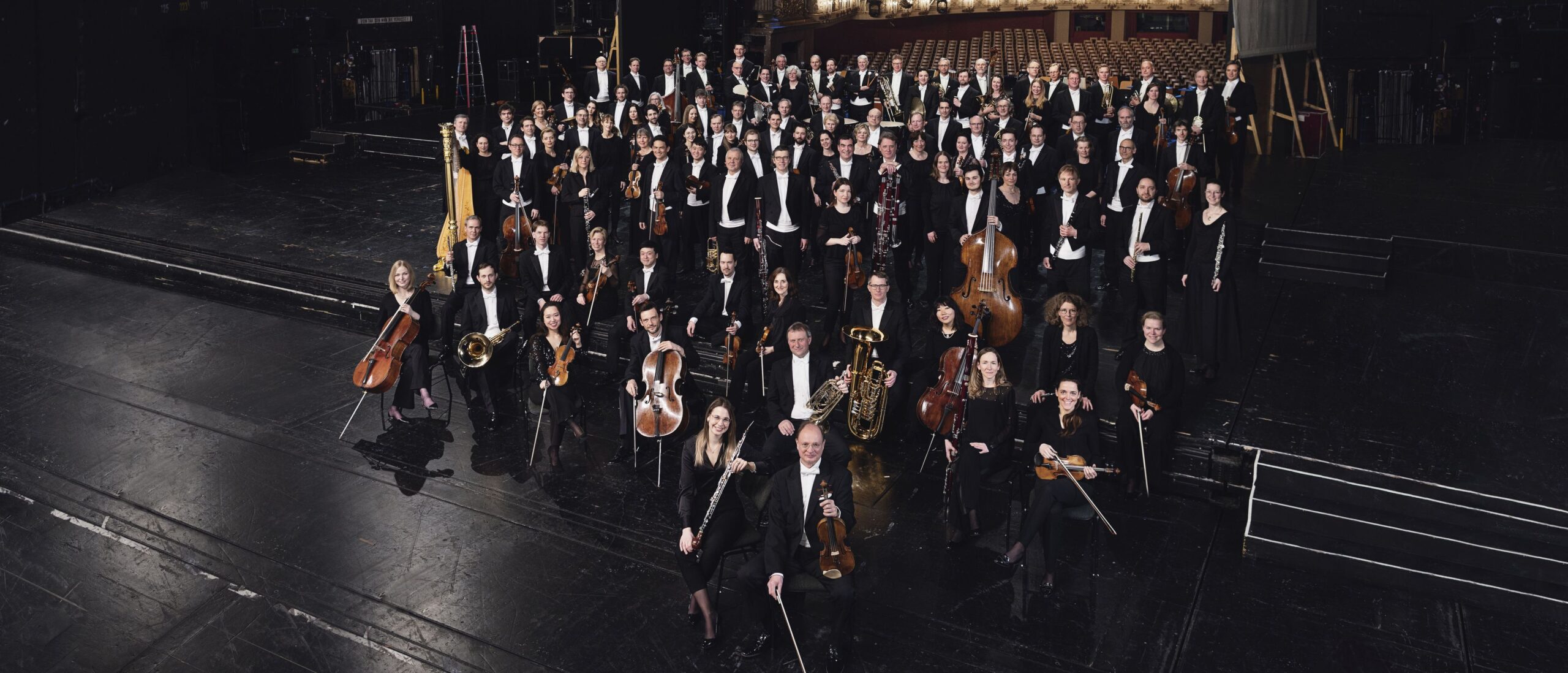
Conductor: Vladimir Jurowski
Soloist: Francesco Piemontesi
An ambitious programme spanning three distinct worlds: the brooding intensity of Rachmaninov, the crystalline elegance of Ravel, and the monumental sweep of Strauss. Jurowski approached each with his trademark precision, though not without contrasts worth notions.
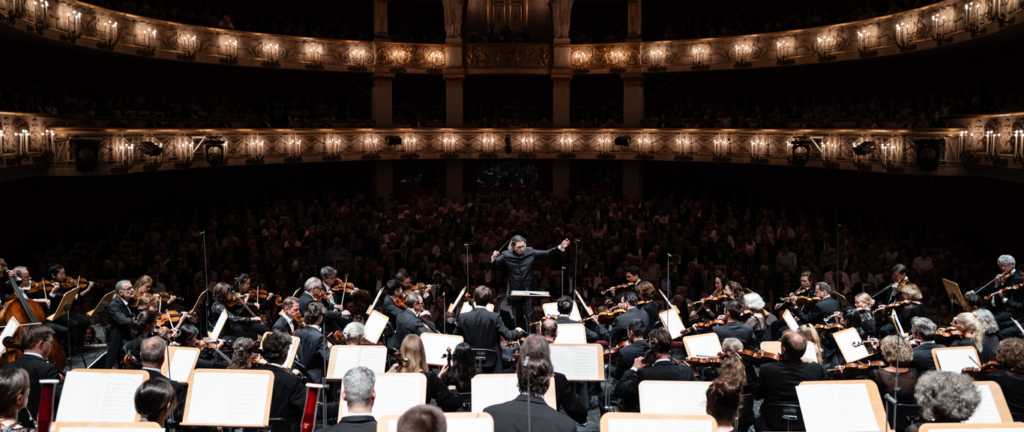
The evening opened with Rachmaninov – The Isle of the Dead, Op. 29, a sombre orchestral meditation inspired by Böcklin’s painting. Jurowski shaped its surging waves with admirable control: the dark undertow of the lower strings never became heavy, crescendos breathed naturally, and the woodwinds added spectral touches that flickered through the texture. The Bayerisches Staatsorchester sounded magnificent, giving the piece a density that never tipped into excess — a reading that favoured architecture over rhetoric.
The mood shifted radically with Ravel’s Piano Concerto in G major. Francesco Piemontesi began the opening Allegre with a touch of reserve, but his playing soon gained confidence. It was in the second movement, that long Adagio of almost supernatural beauty, where he truly came alive: phrasing that sang, a velvet touch, and a sense of space that felt effortless. Jurowski and the orchestra provided a luminous backdrop, transparent and supple, letting the piano float in an atmosphere of pure serenity. The finale, brisk and sparkling, confirmed the renewed complicity between soloist and conductor. For an encore, Piemontesi offered Debussy’s Clair de lune — simple, poetic, and perfectly judged as a closing gesture.
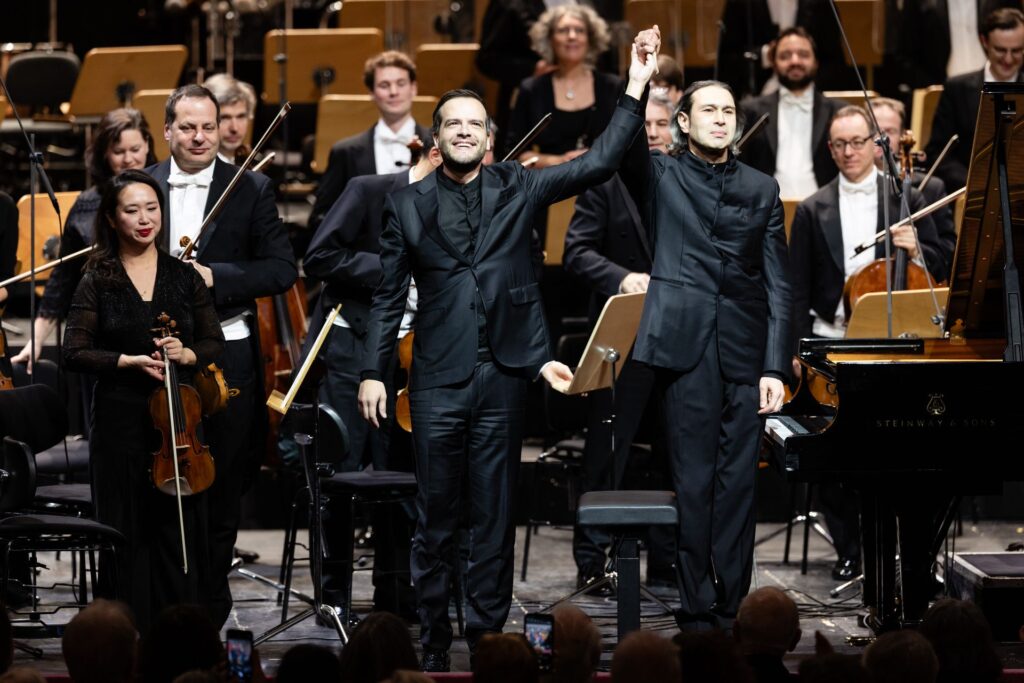
Finally came Richard Strauss – Also sprach Zarathustra, Op. 30, the evening’s grand statement. Jurowski was slightly pompous at moments, but only slightly — the work demands a certain grandeur. What impressed most was the clarity he maintained within Strauss’s vast orchestral architecture. The lower strings resounded in all their splendour, deep and sonorous, while the woodwinds — that exquisite small harmony — added flashes of colour and refinement, like shafts of light piercing the orchestral mass. The brass were imperious, the climaxes overwhelming yet never chaotic. It was a performance that balanced amplitude with control, allowing the music’s philosophical arc to unfold without losing its human warmth.
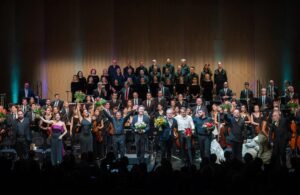
A concert of contrasts and riches, crowned by an orchestra at its peak. Jurowski, even in Strauss’s most opulent pages, kept a firm hand; Piemontesi, after a cautious start, gave us an Adagio that will linger long in the memory — and an encore that sent the audience home under Debussy’s moonlight.
About the Author