MACBETH | Teatro Coccia di Novara
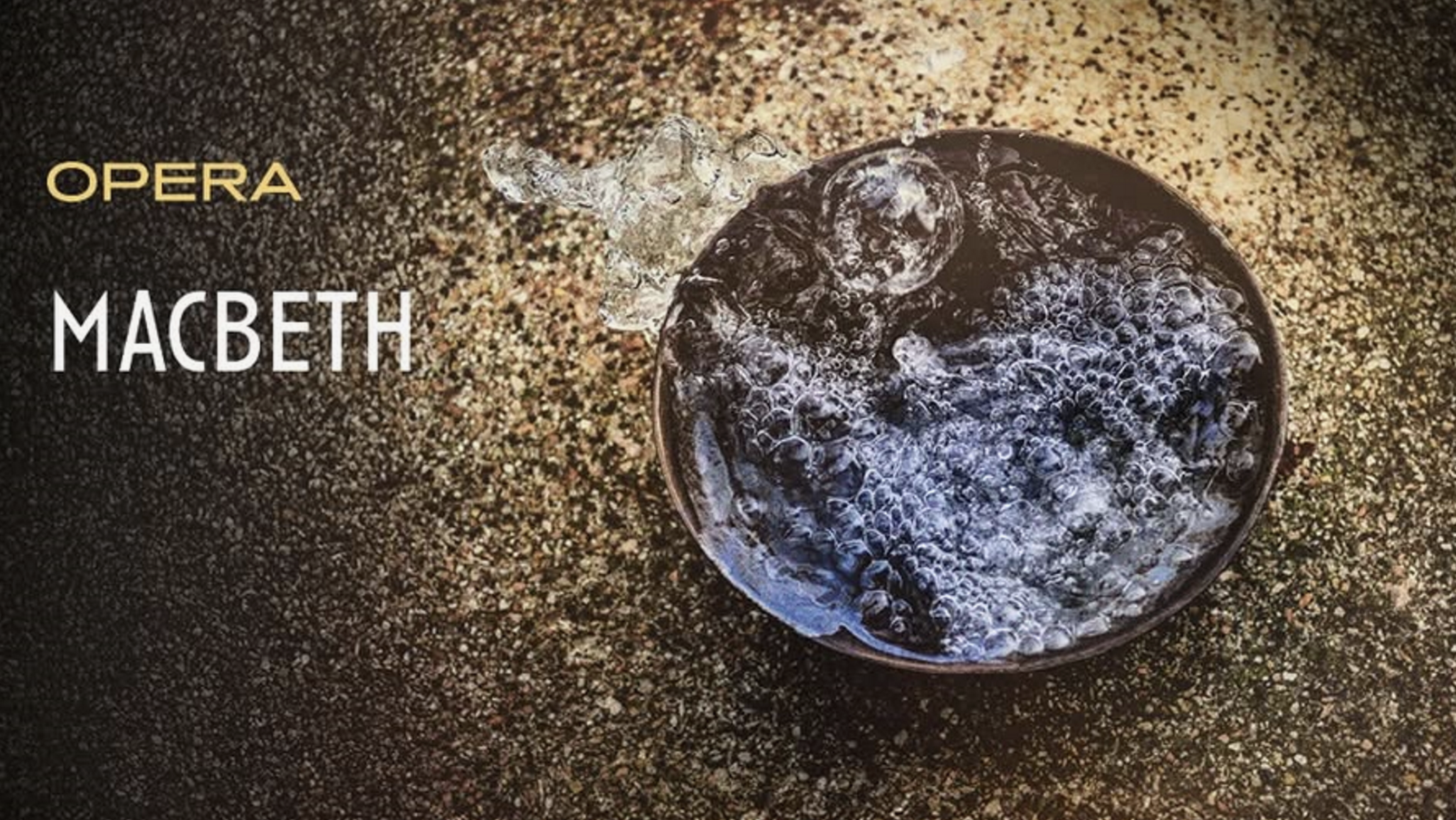
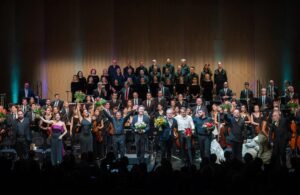
Last Sunday, January 25, 2026, I attended a performance of Giuseppe Verdi’s Macbeth at the Teatro Coccia in Novara, and it was my very first time in this theatre. I can already say it will certainly not be the last, as I already have my tickets for L’Italiana in Algeri there in May 2026.
From the very beginning, I felt at home. Teatro Coccia immediately reminded me of Piacenza: a warm, almost family-like atmosphere, a loyal and knowledgeable audience, and that very special feeling you only get in smaller Italian cities. The theatre is clearly a central place in the life of the city, a meeting point where generations come together.
It must be said, however, that the hall was quite cold — perhaps because many people arrived early and there was a bit of chaos outside, with doors opening and closing repeatedly. But as soon as the first notes of Macbeth resonated through the theatre, the chill disappeared. Even if the temperature was low, my heart was instantly warmed.
I often say that if someone wants to truly understand what opera means in Italy, they should go to a Sunday performance at 3 p.m. It is almost as sacred as going to church on Sunday morning. Everyone is well dressed, young and old sit side by side, and the theatre becomes the social event of the week — especially in cities like Novara, Piacenza, or Pavia, where the opera house remains a cultural and emotional anchor.
This performance was the third and final Macbeth, and expectations were already high before the curtain even rose. The orchestra was conducted by Jordi Bernàcer, a conductor I had greatly admired last January in Genoa for Falstaff, where his approach to Verdi was incisive, energetic, and beautifully paced. Once again, he confirmed all the good I thought of him: a Verdi that moves forward, breathes, and never drags.
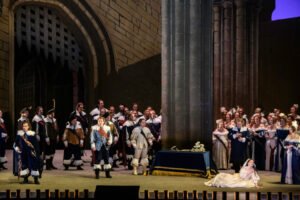
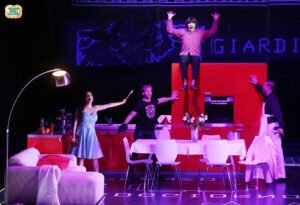
The staging was truly beautiful — traditional in the best sense of the word. Elegant sets, effective costumes, a strong and well-prepared chorus, and just the right amount of makeup and theatricality. Nothing excessive, nothing overproduced, but everything worked. Of course, this is not Milan, Naples, or Vienna — and that’s precisely why this production was so admirable. In Novara, the theatre offered something honest, refined, and genuinely well-crafted. Everything felt polished and cohesive, especially for a final performance.
Maria Cristina Bellantuono, who stepped in at the last minute to replace the indisposed Monica Zanettin as Lady Macbeth, delivered a very convincing and impressive performance. I was happy to see her again after hearing her in Madama Butterfly in Pavia. Her singing was secure and expressive, but what truly stood out was her acting — especially in the famous sleepwalking scene. Her gaze, her intensity, and her vocal presence made this moment particularly striking.
In the title role, Sergio Vitale, a highly respected baritone in Italy, offered a solid and generous portrayal. He is clearly beloved by Italian audiences, and rightly so: committed, vocally reliable, and deeply involved in the drama.
One of the true highlights of the evening was Roberto Scandiuzzi. Although his role is relatively small, his presence was unforgettable. A bass voice of great authority and beauty, even beyond the age of 50, he received a thunderous ovation after his aria and again during the final bows. A voice that leaves a lasting impression.
Finally, Ivan Magrì, whom I was particularly eager to hear again, confirmed all my admiration. For me, he is simply outstanding. His voice has a suave, almost Bergonzi-like quality, warm and refined, and his role felt almost tailor-made for him that evening. The only frustration is that the role is too small — one wishes he could sing twice as much.
All in all, it was a beautiful Sunday afternoon, filled with Verdi, emotion, and that uniquely Italian sense of community that only opera can create. I truly loved this experience and very much look forward to returning to Novara.
Bravo Teatro Coccia, and see you very soon. 🎭✨
::::::::::::::::::::::::::::::::::::::::::::::::
CAST
Macbeth Sergio Vitale
Banco Roberto Scandiuzzi
Lady Macbeth Maria Cristina Bellantuono
Dama di Lady Macbeth Elena Malakhovskaya
Macduff Ivan Magrì
Malcolm Xiaosen Su
Medico Omar Cepparolli
Domestico/Araldo Piero Santi
Sicario Luigi Varriale
Prima apparizione Roberto Messina
Seconda apparizione Erika Fornero
Terza apparizione Agnese Jurkovska
Re Duncano Marco Baldino
Direttore JORDI BERNÀCER
Regia, scene e costumi DANIELE PISCOPO
Light designer Ivan Pastrovicchio
About the Author