L’ELISIR D’AMORE | The State Opera – Prague
If there is one place where I feel comfortable, at ease, and truly at home, it is the State Opera in Prague. I defend this theater, which is so dear to my heart, to all our subscribers, to the people I meet, and to my close friends. It is always a real pleasure to come here. I have been coming for more than ten years, and I have never — listen carefully — I have never been disappointed!
You will not see Netrebko, Sierra, or other prima donnas who dominate today’s opera world, but you will see singers — young singers — happy to be there, giving their absolute all until the curtain falls after the final note. It goes without saying that many of the talents shaping opera today and tomorrow are discovered here. The orchestra is always magnificent, the welcome more than warm, and ticket prices are incredibly affordable for a level of comfort rarely seen elsewhere: spacious seating, comfortable chairs, smiling staff. In the Czech capital, where many young people come to party, opera lovers can also celebrate in their own way in the city’s three theaters.
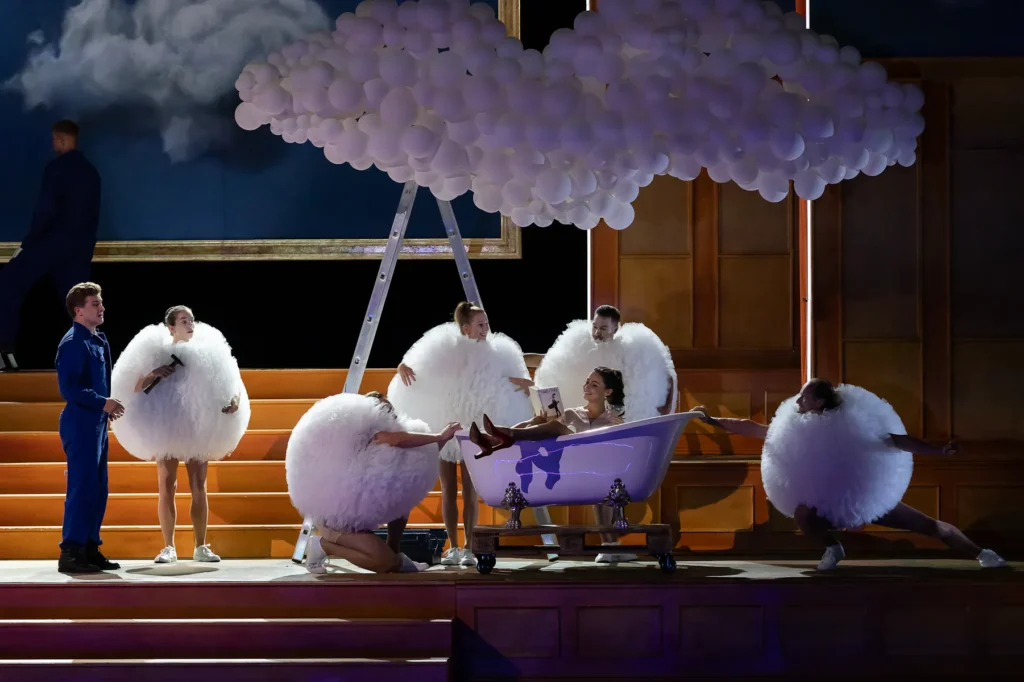
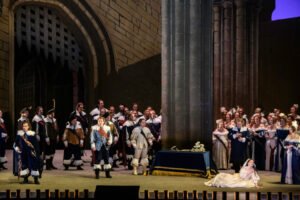
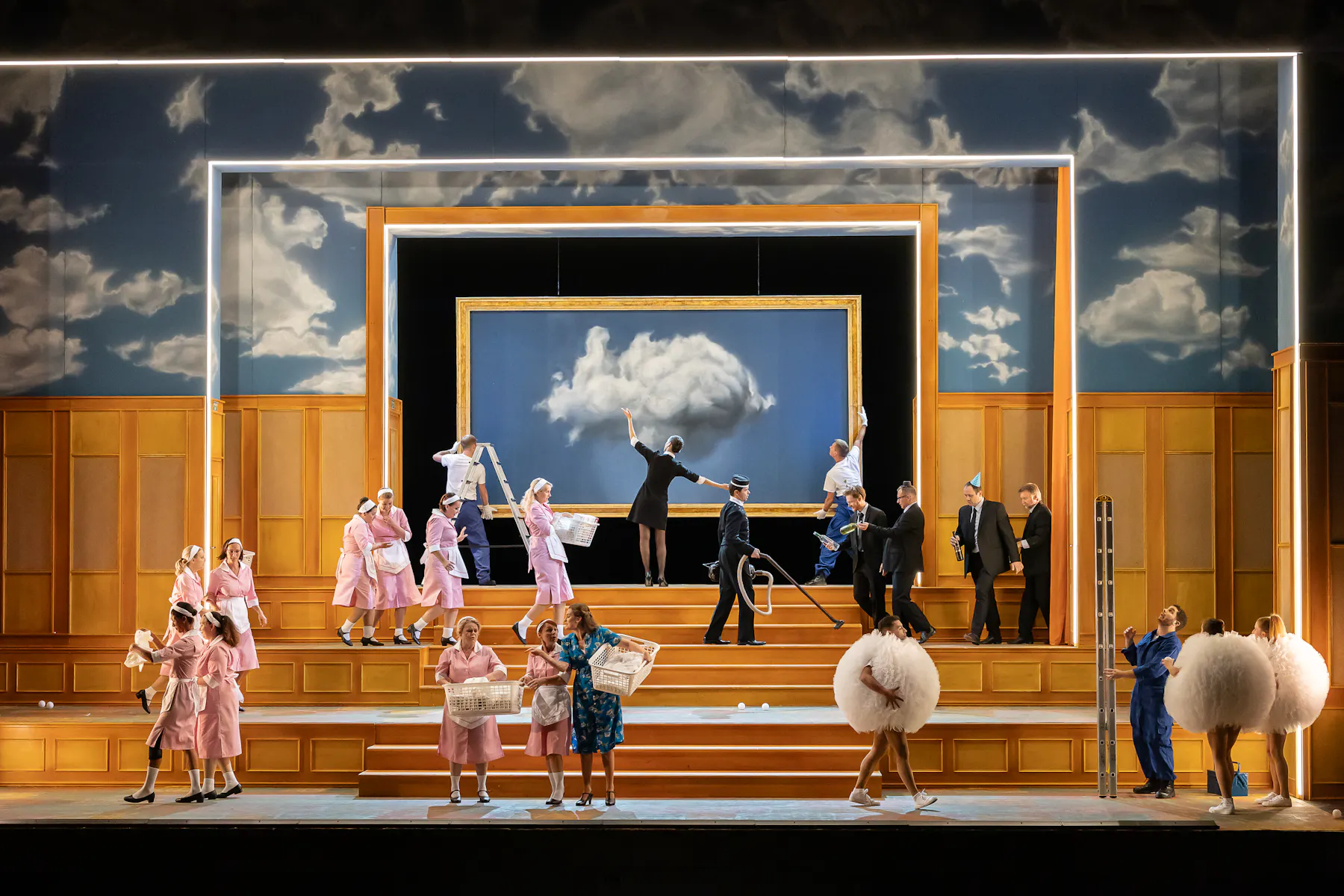
On Sunday, February 15, the day after Valentine’s Day, I went to see what is undoubtedly the most romantic opera (and one where, on top of that, no one dies at the end!): L’ELISIR D’AMORE. I was coming off a triumph in Catalan lands in Barcelona with a stellar cast, and I only had to wait for the curtain to rise before feeling a big smile take over my face. A colorful, joyful, warm production — perfect for fighting the well-known winter temperatures of the Czech capital!
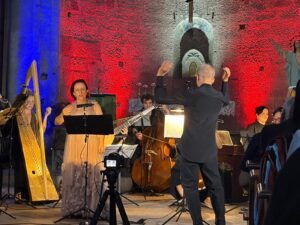
One particular detail: for those who follow us on Instagram, you may have noticed that the music conducted by the orchestra’s female conductor Anna Pozidis was played at a speed never before heard in Donizetti’s work. The chorus at the end of Act I struggled to keep up with the frantic tempo and had to cut words or even entire phrases to reach the end. As much as I often say that Verdi’s music should be played at 1.2x speed, Donizetti’s music, in my opinion, must remain at its natural tempo. That is essential for bel canto: taking the time to articulate every note and every syllable, where even silence itself must become music.
The local tenor Daniel Matousek, rightly applauded at the end of the performance, demonstrated great comic talent, with a voice that grew in power, intensity, and above all security throughout the evening. One might regret a somewhat light first aria, “Quanto è Bella,” but by the time he sang “Una Furtiva Lagrima” I could fully appreciate the extent of his talent.
Vera Talerko was outstanding — what more can be said? The performer of Adina was remarkably effective from start to finish. It was pure pleasure to watch and listen to her. One could note her determination to showcase her abilities, especially when reaching for the high notes in the second half of the performance. The audience could only leave conquered, because deep down, that’s what we want: beautiful, long, powerful notes!
A very special mention goes to the tall and imposing Dulcamara, Vincenzo Taormina. Despite a slight lack of exuberance in his entrance aria “Udite, Udite” (the staging, I believe, somewhat prevented him from fully expressing this magnificent aria — he enters almost like in a 1990s TV show, at the top of a large staircase, which forces him to watch his step), I particularly loved his duet with Nemorino in the first part when he sells him the bottle of elixir. The chemistry between the two was obvious, and it was pure joy to watch them play off each other.
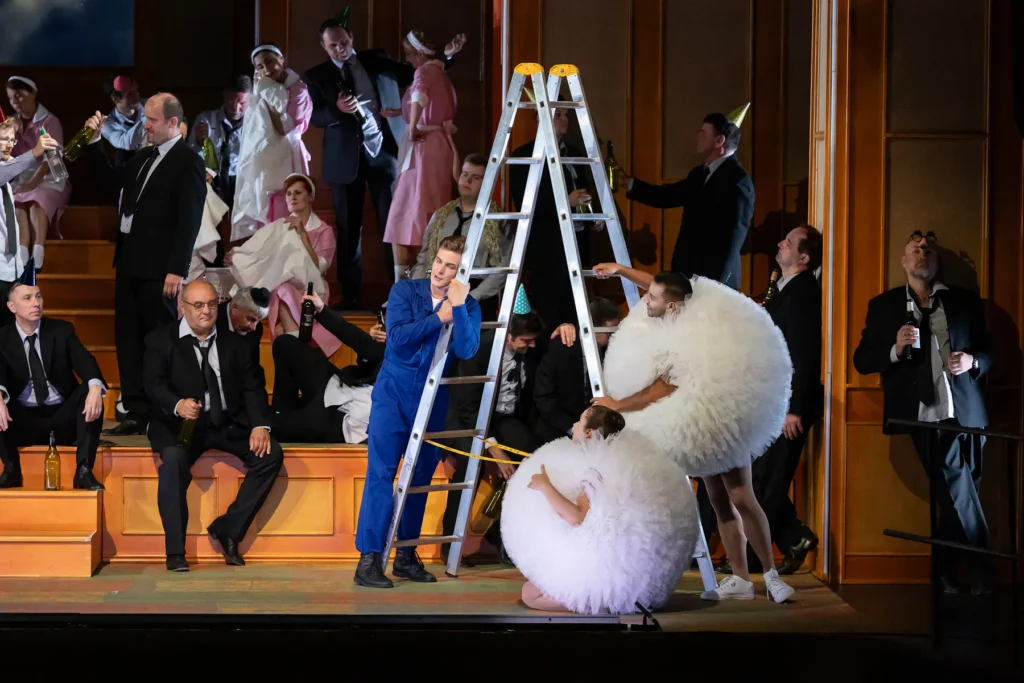
Our sergeant Lukas Barak that evening also convinced me greatly. It is a role I am particularly fond of. I am not a singer and never wanted to be, but it is a role I would have loved not to sing, but to perform on stage. It is funny — he leads the action throughout the first half, has really cool arias, and is, in a way, the Jim Carrey of L’Elisir d’Amore! He gave the character all his charm and charisma without any difficulty.
And to conclude the cast: though she plays the smaller role of Gianetta, Magdalena Hebousse, the soprano made a remarkable entrance. Her aria with the chorus at the beginning of Act III was pure delight for the ears. The staging truly highlights her, and it was nothing but happiness.
What more can I say? Another evening added to the long list of magical nights that Prague knows how to offer its audience. And for now, as I write these lines, there is only one sad thing I can think of: I no longer have (for the moment) any operas scheduled in Prague this season…
::::::::::::::::::::::::::::::::::::::
CAST
Nemorino – Daniel Matousek
Adina – Vera Talerko
Belcore – Lukas Barak
Dulcamara – Vincenzo Taormina
Giannetta – Magdalena Hebousse
–
Conductor – Anna Pozidis
Staging – Julia Burbach
About the Author