RECITAL ETIENNE DUPUIS | Opéra National de Lyon
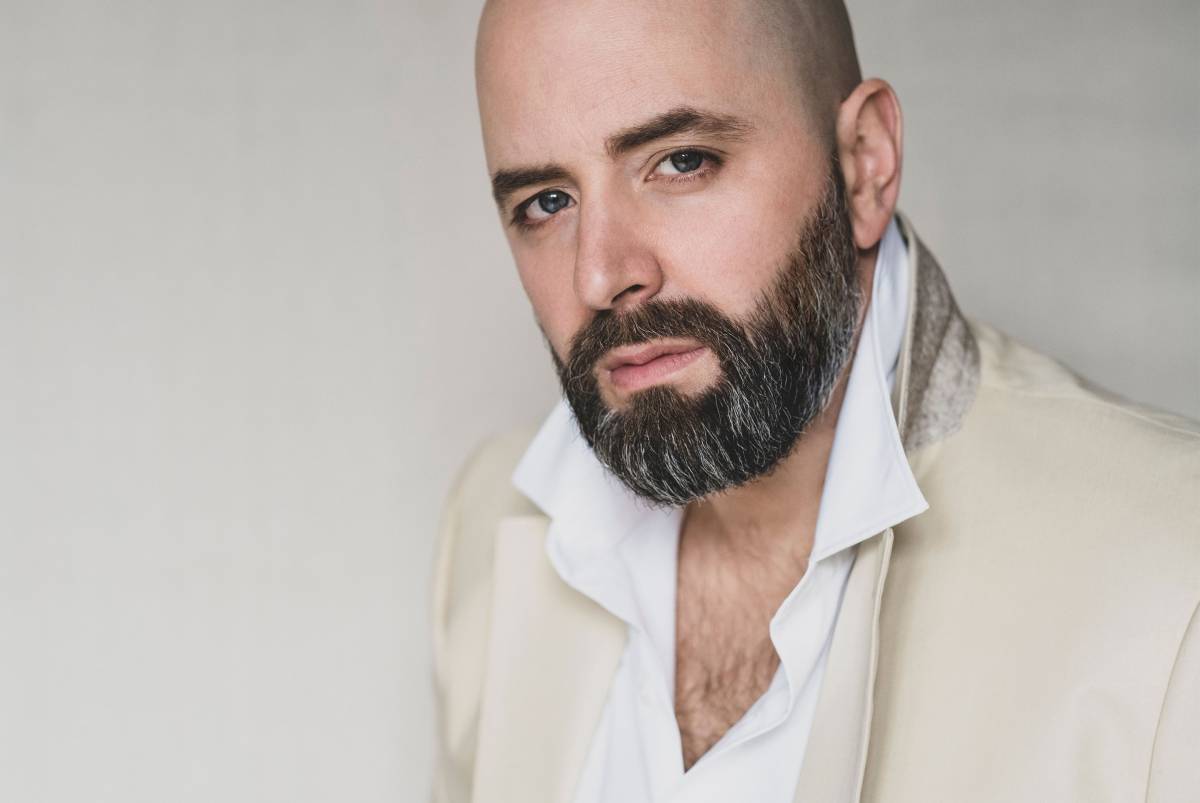
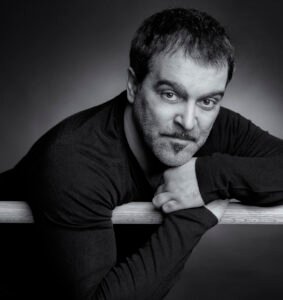
After a triumphant portrayal of Henri Ashton in the production of Lucie de Lammermoor at the Opéra Comique, the Canadian baritone treated us to an anthology worthy recital at the Opéra National de Lyon.
Superbly accompanied on the piano by Cécile Restier, who also offered us two beautiful and refined solo piano pieces, Étienne Dupuis opened the evening with a first half devoted to French mélodies.
First came Henri Duparc, with Le Manoir de Rosemonde, followed by La Vague et la Cloche. These two pieces immediately captivated the large audience gathered that evening and instantly highlighted one of the artist’s greatest qualities : his gift for characterization in interpretation. Throughout the recital, Étienne Dupuis brought each of his characters to life, endowing them with unique personalities and individuality.
Don Quichotte à Dulcinée by Maurice Ravel provided further proof of this. Having been a magnificent Sancho a few years ago at the Opéra Bastille in Jules Massenet’s opera, he displayed both flawless French diction and an irresistible playfulness.
Chansons gaillardes by Francis Poulenc brought the first half to a dazzling close, particularly La Belle Jeunesse, in which Étienne Dupuis fully revealed his talent as a storyteller.
After the intermission came the operatic portion of the recital.
First, Jules Massenet’s aria for Athanaël in Thaïs, Voici donc la terrible cité. Once again, Dupuis demonstrated perfectly intelligible French diction and impeccable breath control.
Then came Hérodiade and the aria Vision fugitive, which he had performed in this very city a few years ago. The piece showcased the exceptional quality of the baritone’s upper register. His respect for the melodic line, vocal accuracy, and delicate timbre made this aria one of the evening’s highlights.
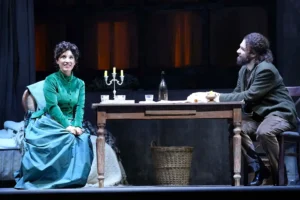
Italian repertoire followed, with Il tabarro by Giacomo Puccini, a role he is set to perform next year in London. His rendition of Nulla! Silenzio! was remarkable in its interpretation, immediately conveying all the character’s doubts and inner turmoil. It will undoubtedly become one of his great future successes on stage.
The first Verdi aria was from Macbeth: Pietà, rispetto, amore. Once again, the diction was exemplary, while the intelligence of his acting and the richness of the voice conveyed the full complexity of the character. He will certainly be unmissable next year in this role at the Wiener Staatsoper.
Ford’s aria from Falstaff, È sogno? o realtà?, was delivered brilliantly, with irresistibly engaging stage presence.
As a first encore, Dupuis offered Renato’s aria from Un ballo in maschera, Eri tu che macchiavi, which he had performed so brilliantly a few weeks earlier in Paris. His interpretation did not seek out the lowest possible notes, but instead focused on the psychological characterization of the rôle, Renato’s fragility and doubts. It was a deeply human portrayal, and a truly magnificent interpretation of the character.
The enthusiastic applause brought the singer back to the stage for another encore, and it was guitar in hand that the Canadian returned. It was a delightful surprise to hear him perform two songs by his compatriot Félix Leclerc. Bozo and Le p’tit Bonheur were moments of great poetry and beauty, evoking memories of the singer’s childhood.
Finally, for the ultimate encore, Étienne Dupuis treated us to a breathtaking Cortigiani from Rigoletto, utterly transcendent in its power and despair.
This recital will remain long in the memory of Lyon’s opera house, an immense success for an artist of remarkable generosity and warmth.
One of those rare artists who alone justifies the journey.
Le programme
Henri Duparc, Le Manoir de Rosemonde (1879-1882)
Sur un poème de Robert de Bonnières
Henri Duparc, La Vague et la Cloche (1873)
Sur un poème de François Coppée
Maurice Ravel, Don Quichotte à Dulcinée (1932-1933)
Sur des textes de Paul Morand
« Chanson romanesque » (no 1) ; « Chanson épique » (no 2) ; « Chanson à boire » (no 3).
Francis Poulenc, Chansons gaillardes (1925-1926)
Sur une anthologie de poèmes du XVIIIe siècle
« La maîtresse volage » (no 1) ; « Chanson à boire » (no 2) ; « Madrigal » (no 3) ; « Invocation aux Parques » (no 4) ; « Couplets bachiques » (no 5) ; « L’offrande » (no 6) ; « La belle jeunesse » (no 7) ; « Sérénade » (no 8).
Entracte
Jules Massenet, Thaïs (1894)
Air d’Athanaël, « Voilà donc la terrible cité » (acte I)
Jules Massenet, Hérodiade (1881)
Air d’Hérode, « Vision fugitive » (acte II)
Jules Massenet, Moment musical en mi bémol majeur
Giacomo Puccini, Il Tabarro (1918)
Air de Michele, « Nulla! Silenzio! »
Giuseppe Verdi, Extrait du ballet de Macbeth pour piano
Giuseppe Verdi, Macbeth (1847)
Air de Macbeth, « Pietà, rispetto, amore » (acte IV)
Giuseppe Verdi, Falstaff (1893)
Air de Ford, « E sogno? O realtà? » (acte II)
Giuseppe Verdi, Un bal masqué (1859)
Air de Renato, « Eri tu che macchiavi » (acte III)
Bis :
Félix Leclerc – Bozo
Félix Leclerc – Le p’tit bonheur
Giuseppe Verdi, Rigoletto (1851)
Air de Rigoletto, « Cortigiani vil razza» (acte II)
About the Author