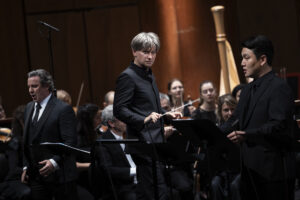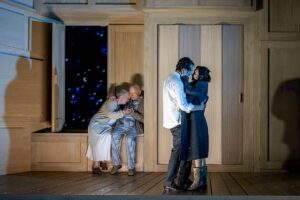
TOSCA | Staatsoper Berlin
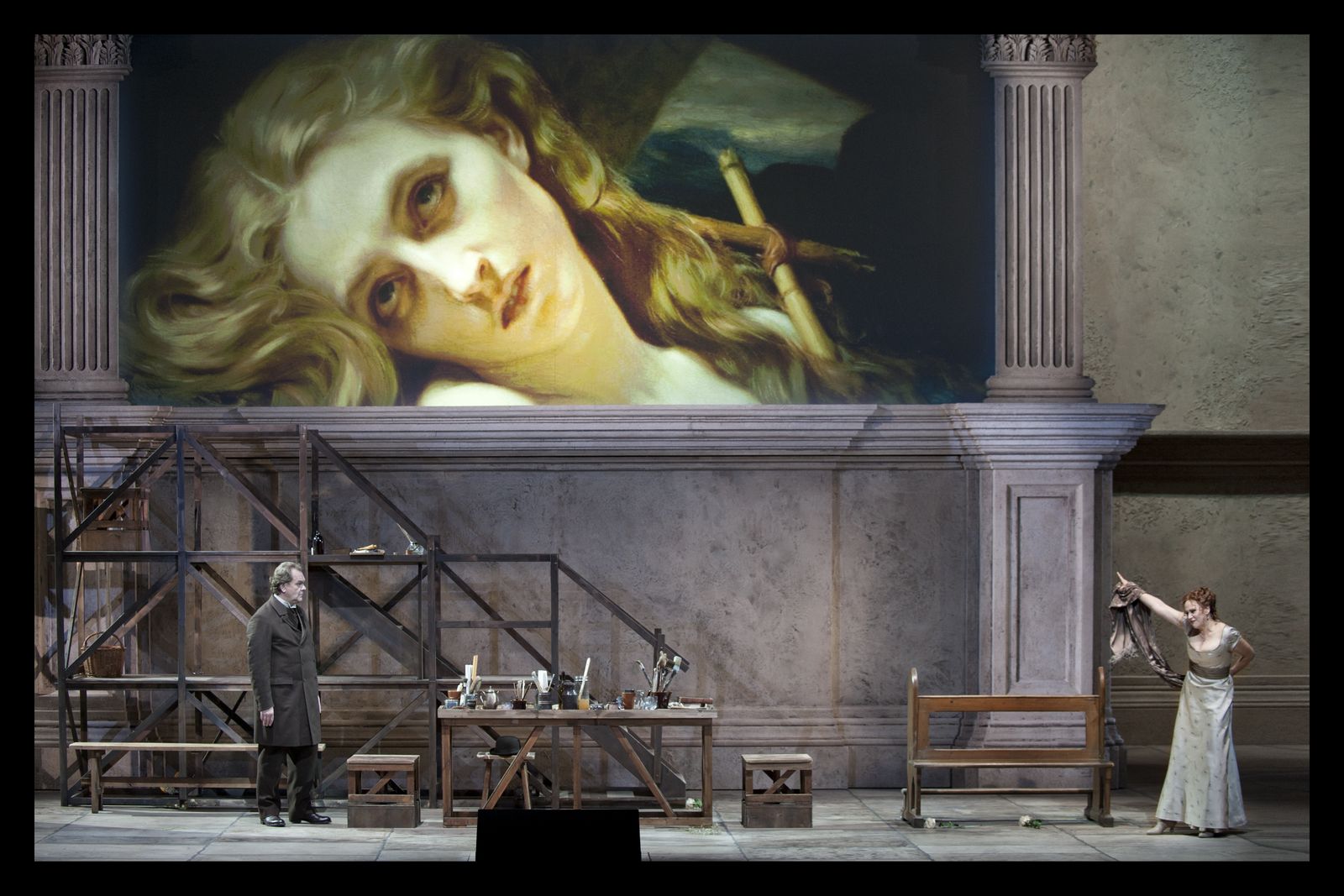
Friday the 13th may carry a reputation for bad luck, but at the Staatsoper Berlin, there was nothing unfortunate about this Tosca. Having seen countless productions of Puccini’s masterpiece over the years, I was particularly intrigued by this cast — a trio I had never experienced together before: Aleksandra Kurzak, Piotr Beczała, and, for the first time for me, Alexey Markov as Scarpia.
Aleksandra Kurzak – A Tosca Fully Her Own
It feels as though Aleksandra Kurzak has been singing Tosca for fifteen or twenty years, yet she has only carried the role for about four. That in itself says a great deal. Today, I genuinely consider her one of the finest Toscas on the international stage.
What makes her portrayal so compelling is that it is unmistakably hers. From the moment she steps on stage, you recognize her sound, her phrasing, her dramatic instincts. In Act I especially, where many lines hover between speech and song, she uses a darker, almost spoken tone that gives Tosca remarkable depth and gravity. It adds psychological nuance rather than mere vocal beauty.
Her acting is, as always, superb — detailed without being exaggerated. And her “Vissi d’arte, vissi d’amore” was met with tremendous applause. The Berlin audience was clearly conquered. It is always a pleasure to witness her inhabit this role.
Kurzak is currently immersed in Puccini — Madama Butterfly, La Bohème, and soon Turandot in Miami — proving how firmly she has established herself in this repertoire. One can only hope that, one day, she will venture further into Verdi. Personally, I would love to hear her as Desdemona — but one step at a time.
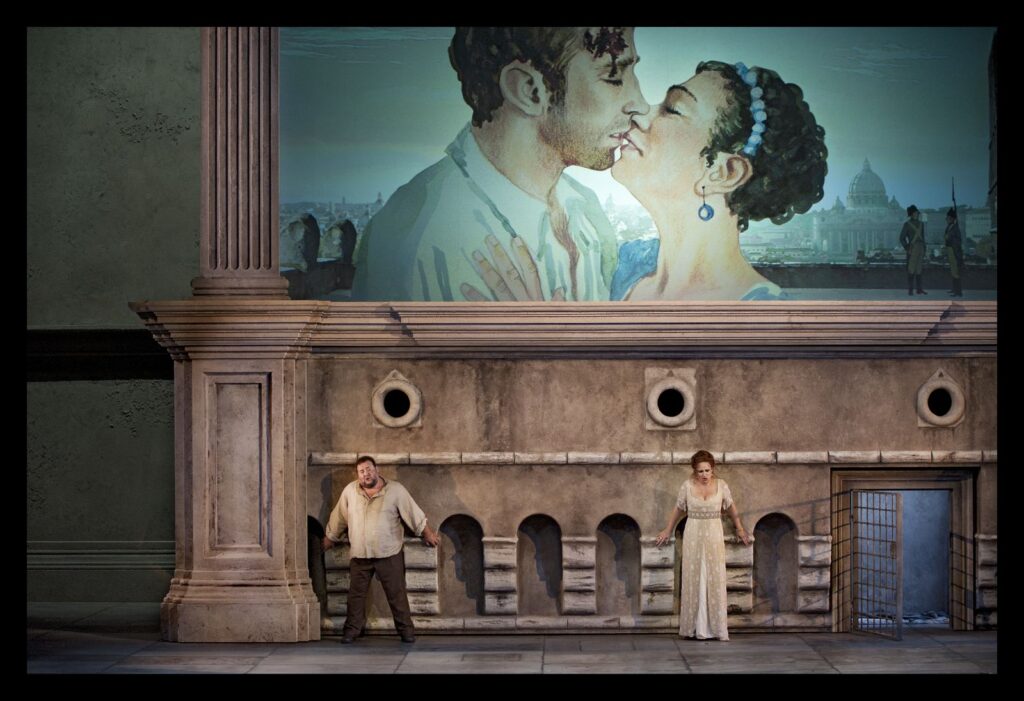
Piotr Beczała – A True Star
When I call Piotr Beczała a star, I weigh my words carefully.
Ranked in Opera Diary’s Top 3 Tenors of 2025, he more than lives up to that distinction. His Cavaradossi was nothing short of magnificent from beginning to end. Vocally secure, elegant in phrasing, dramatically engaged — he was simply masterful.
And then came “E lucevan le stelle.”
The aria was so overwhelmingly received that it was repeated. After the first rendition, the applause lasted a good five or six minutes. The communion between the tenor and the audience was electric. Beczała enjoys a vast and devoted fan base across Europe and America, but what happened that evening went beyond admiration — it felt like collective gratitude.
What is most impressive is the breadth of his repertoire. From Verdi’s Il trovatore to Wagner’s Lohengrin, he commands an enormous range of roles, yet he continues to refine and elevate each one. This Cavaradossi was another demonstration of his enduring excellence.
Alexey Markov – A Powerful First Impression
I was particularly eager to see Alexey Markov’s Scarpia, as it was my first time experiencing him live — and he did not disappoint.
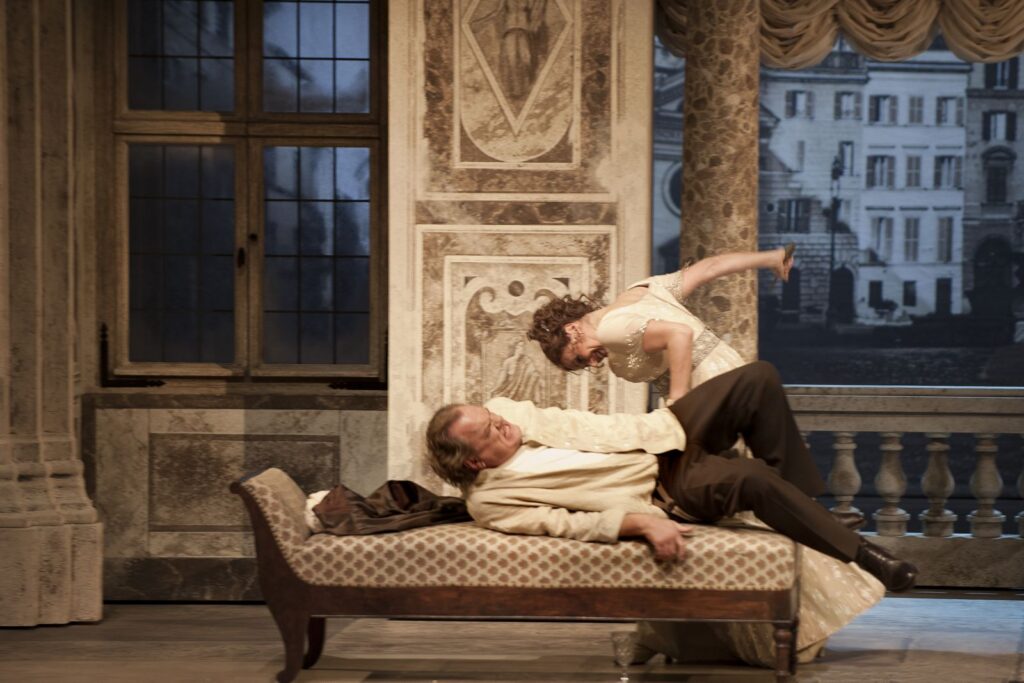
Physically imposing — tall, athletic, commanding — he presents a Scarpia that feels modern and authoritative without relying on caricature. Holding the stage opposite Kurzak and Beczała is no small task, yet he rose to the occasion with confidence.
His presence was strong, and vocally he delivered a convincing and solid interpretation. A special mention is deserved. I look forward to seeing him again in this repertoire.
Carles Pachon and the Supporting Cast
A brief but sincere word for Carles Pachon as Angelotti. I have seen him several times in smaller roles, and it is always gratifying to watch an artist grow and take on more substantial parts. He brings reliability and musical intelligence to the stage. One could easily imagine him in larger Puccini roles in the future — perhaps even in La Bohème.
Hanseong Yun as the Sacristan (Mesner) provided solid support, contributing effectively to the ensemble.
Under the baton of Petr Popelka, the orchestra maintained strong cohesion and supported the singers attentively, allowing the great lyrical moments to breathe while preserving dramatic tension.
Staging – A Minimalist Vision with Some Gaps
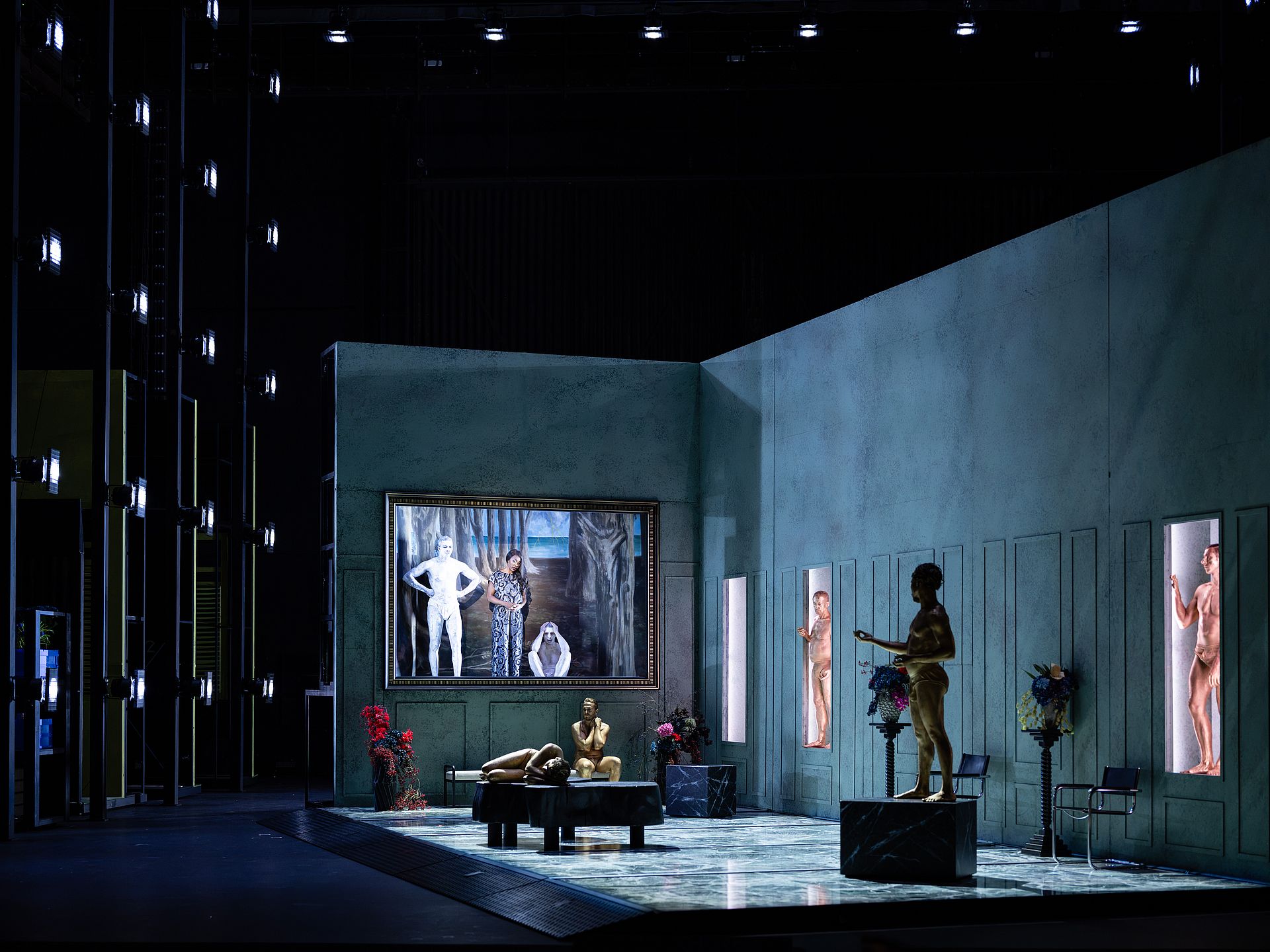
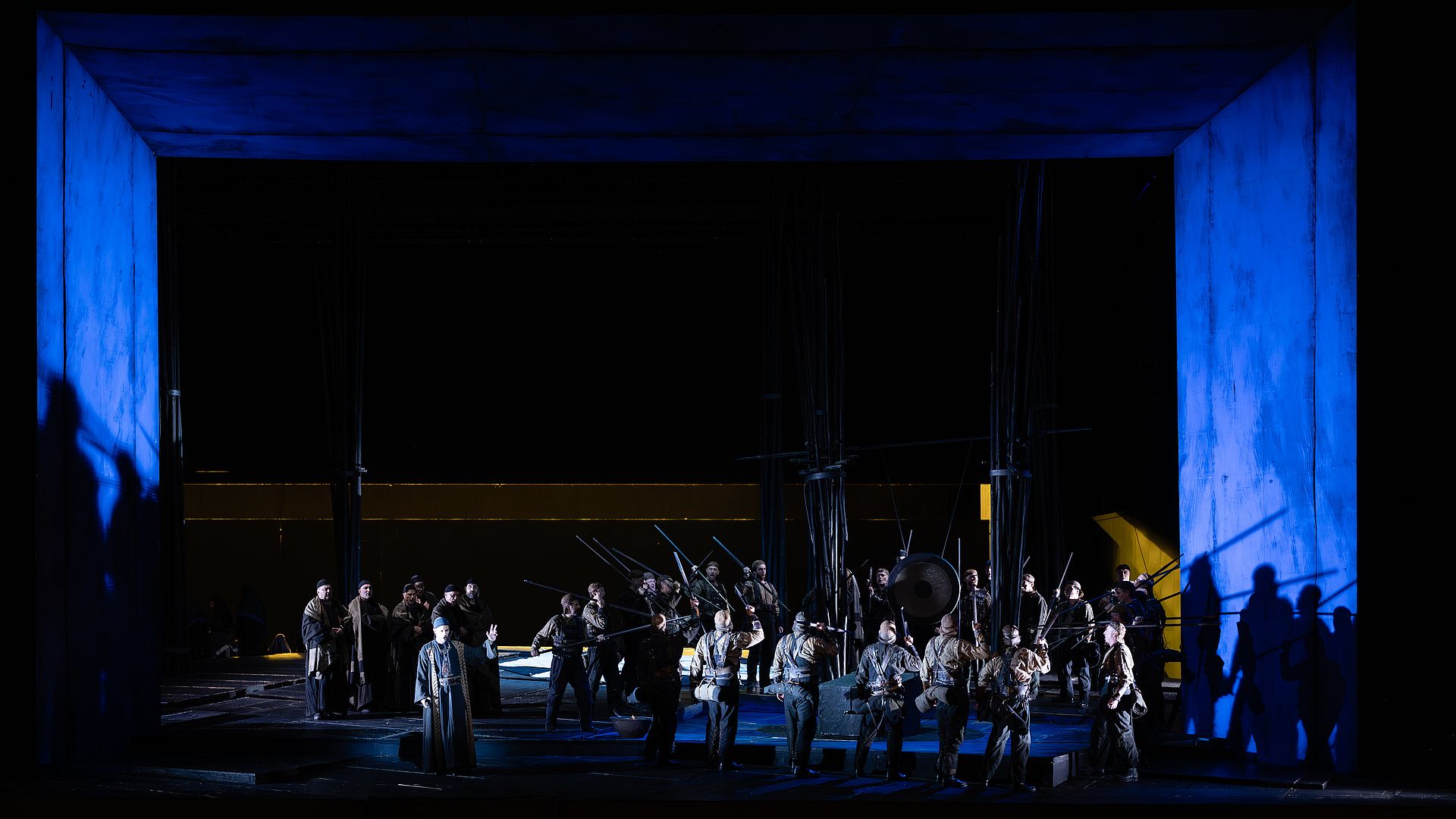
The production, directed by Alvis Hermanis, embraced a minimalist aesthetic. While clean and conceptually coherent, it occasionally felt underdeveloped.
At the very beginning of Act III, when the shepherd boy sings, he is not visible on stage. We hear him, but we do not see him. Considering he appears to take a bow at the end of the performance, he must be somewhere — yet his absence in that crucial atmospheric moment feels like a missed opportunity.
Similarly, the final moments of the opera lack clarity. When Tosca leaps from the battlements, there is no visual indication of her fall — no cinematic suggestion, no staging device to make her death tangible. She simply remains suspended in stillness. For seasoned opera-goers, the ending is understood. But for newcomers unfamiliar with the libretto, the lack of visual storytelling may be confusing and somewhat anticlimactic.
These are not fatal flaws, but they do slightly diminish the dramatic impact of an otherwise powerful evening.
Even on a supposedly unlucky Friday the 13th, this Tosca in Berlin proved that when the right artists meet on stage, Puccini’s masterpiece remains as devastating and electrifying as ever.
CAST
Musikalische Leitung:
Petr Popelka
Inszenierung:
Alvis Hermanis
–
Tosca:
Aleksandra Kurzak
Cavaradossi:
Piotr Beczała
Scarpia:
Alexey Markov
Angelotti:
Carles Pachon
Mesner:
Hanseong Yun
Spoletta:
Florian Hoffmann
Sciarrone:
Irakli Pkhaladze
Kerkermeister:
Jaka Mihelač
About the Author