HOSOKAWA · BEETHOVEN · BRAHMS | Münchner Philharmoniker
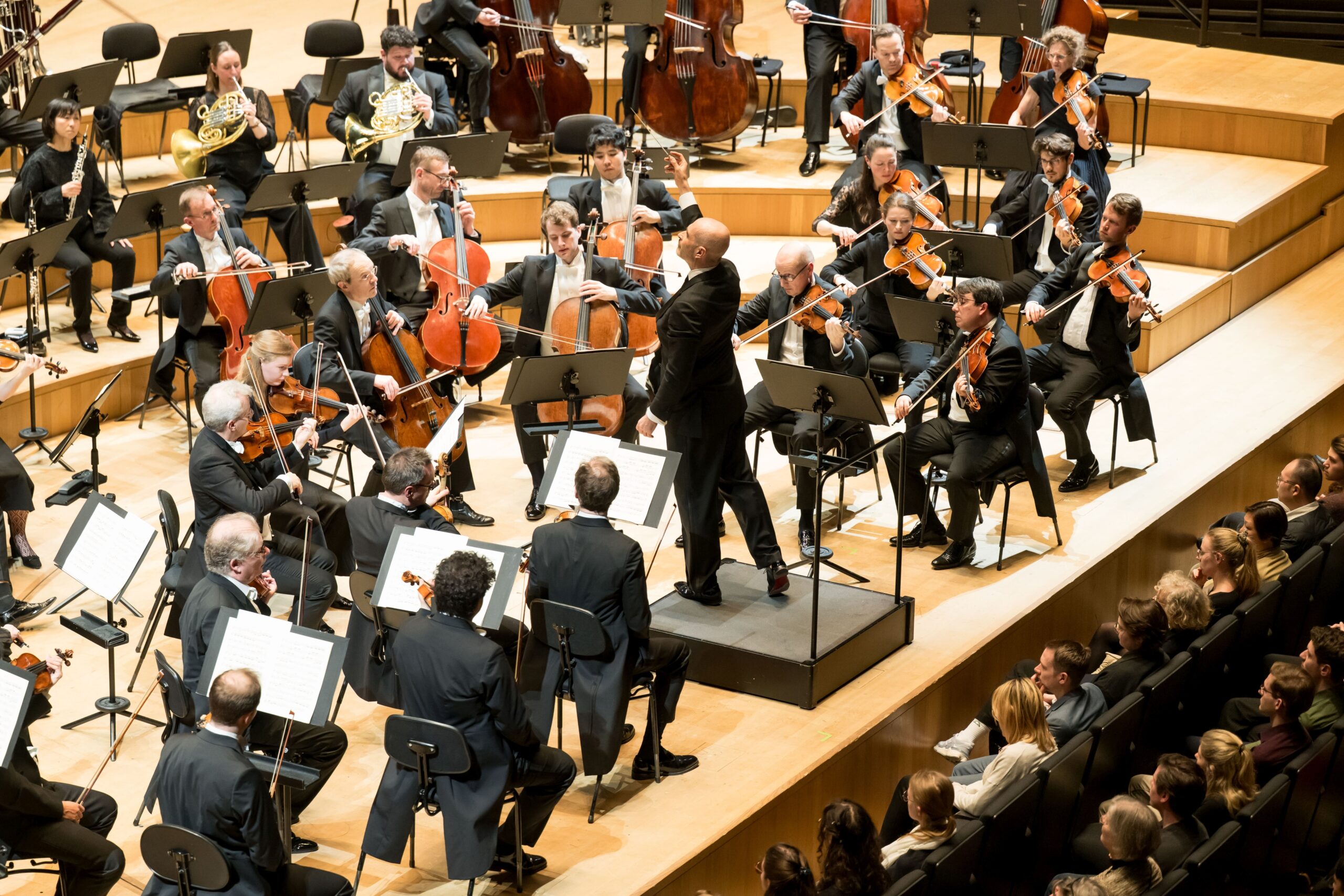
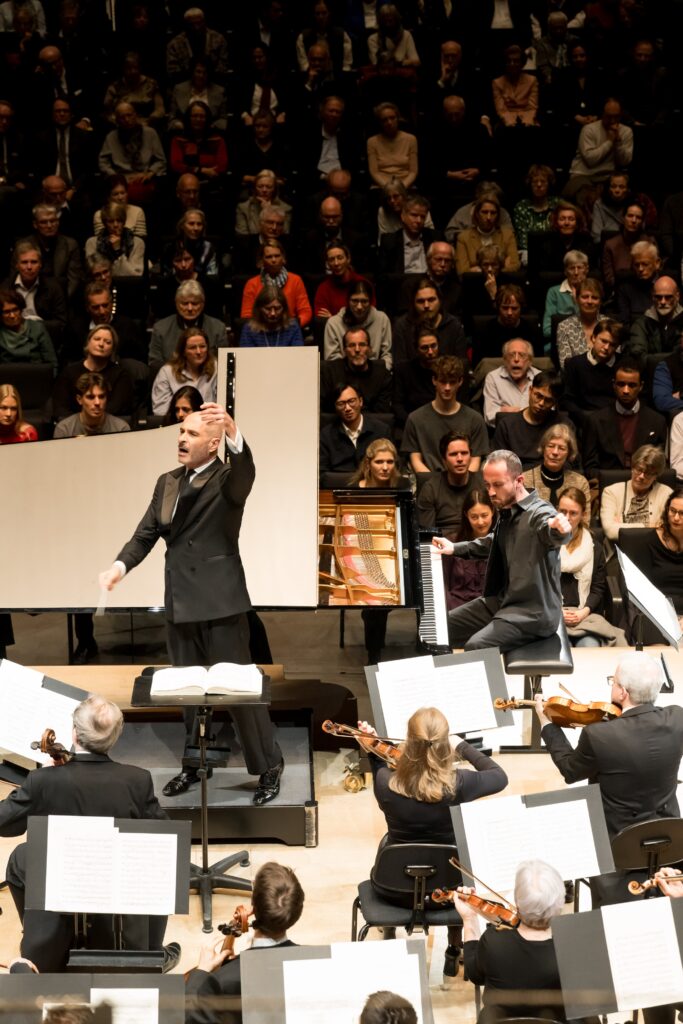
mphil - Münchner Philharmoniker Konzert: Hosokawa / Beethoven / Brahms Dirigent: Antonello Manacorda Klavier: Igor Levit Isarphilharmonie HP8 25.02.2026 Foto: Tobias Hase / mphil Foto: Tobias Hase / mphil
A Symphonic Narrative, Built from the Inside Out
Some concerts tell stories without words, and this evening was one of them. Toshio Hosokawa’s Blossoming II opened the programme with the quietude of a world awakening: the strings unfolded like petals, delicate and hesitant, while woodwinds traced invisible contours of wind and light. The music felt like a ritual, an almost theatrical meditation where the orchestra itself became both stage and actor. In these first minutes, one could already sense the subtle connection with opera—the way Hosokawa suspends time, like Debussy in Pelléas et Mélisande, letting music sketch psychological space rather than narrative events.
Beethoven: Drama in Motion
Beethoven’s Symphony No. 2 followed, and here the theatre moved from suggestion to embodiment. Antonello Manacorda, conducting entirely from memory, shaped every phrase as if he were on a stage rather than a podium. The orchestra responded with a kind of physical attentiveness: the Allegro vivace radiated defiance, the Larghetto breathed with lyric intimacy, and the Scherzo snapped with humour and grace. One could almost see characters move through the architecture of sound, a subtle drama of persistence and joy. It was impossible not to recall the operatic sense of timing, the interplay of motive and gesture, as if each instrumental line were a singer delivering its part in a story of life’s stubborn optimism.
Levit and Brahms: The Soloist as Storyteller
The evening culminated with Johannes Brahms’ Piano Concerto No. 2, a work both symphonic and profoundly human. Igor Levit commanded the piano with a rare combination of precision and warmth, making the soloist seem less a virtuoso than a narrator of epic proportions. The first movement’s dialogues between piano and orchestra unfolded like scenes in an opera: motifs introduced, answered, developed, vanished and reappeared, each phrase imbued with character. In the Adagio, time itself seemed suspended, every note a gesture of reflection, and in the Rondo-Finale, Levit’s technique and imagination carried both levity and gravitas, leaving the listener aware of the concerto’s theatrical breadth. Here again, the connection to opera felt palpable: orchestral “characters” responded to the soloist’s line, creating a miniature stage where drama lived entirely in sound.
A Concert as Theatre
By the end, the hall had become a theatre of perception: Hosokawa’s blossoms, Beethoven’s defiant comedy of life, and Brahms’ human grandeur were bound together by musicians who think like storytellers. For opera lovers, evenings like this remind us that the stage is never separate from the pit, and that every gesture—vocal or instrumental—can carry narrative weight. Manacorda, Levit, and the Münchner Philharmoniker achieved that rare synthesis: a concert not only heard, but imagined, inhabited, and remembered.
***
Programme
Toshio Hosokawa — Blossoming II
Ludwig van Beethoven — Symphony No. 2 in D major, Op. 36
Johannes Brahms — Piano Concerto No. 2 in B-flat major, Op. 83
Performers
Antonello Manacorda, conductor
Igor Levit, piano
Münchner Philharmoniker
About the Author