BRAHMS / ELGAR | Accademia Nazionale di Santa Cecilia
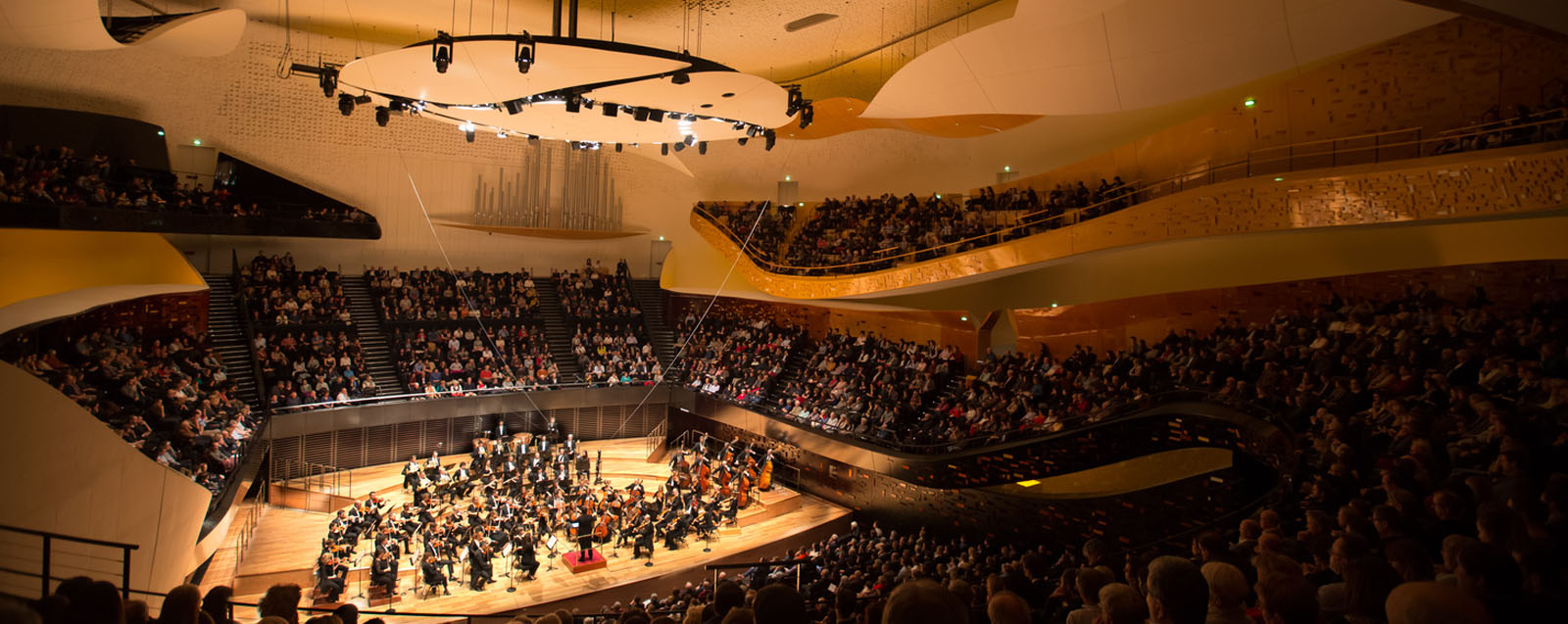
There are pianists one admires, and then there are pianists who make admiration feel like an inadequate response. Igor Levit belongs to the second category — and the Brahms First Piano Concerto, that colossal and barely-containable monument written by a twenty-five-year-old in the grip of grief and ambition, is precisely the vehicle through which his singular greatness becomes impossible to ignore. The concerto is, at heart, a psychological drama: its opening orchestral eruption is not an introduction but a declaration of emergency, the kind of thing a great opera composer might write for a protagonist at the edge of his reason — and what follows is three movements of sustained interior argument, requiring the soloist to be simultaneously architect and confessor. Levit meets both demands without apparent effort. His touch in the slow movement is of an infinite delicacy — phrases spun out like thread, each note placed with a care that makes the music feel provisional and inevitable at once. When the first movement demands power, he delivers it not through force but through structural intelligence: the climaxes arrive because everything before them has been pointing there. The whole thing hangs on a thread, and the thread never breaks.
His encore did, however, break something in the hall. The Intermezzo Op. 118 No. 2 — that most inward and confessional of Brahms miniatures — arrived after the concerto like a whispered postscript, and it was, frankly, too much. Too beautiful, too concentrated, too nakedly felt. Several minutes of utter silence followed the final chord before the applause began. One does not easily recover from that kind of playing. One does not particularly want to.

Daniel Harding is monstrous in this repertoire — and the word is chosen with precision, not hyperbole. His command of the Brahms is total: the Santa Cecilia strings surge and recede with the logic of a tide, the brass have weight without brutality, and the architecture of that enormous first movement holds with the tensile strength that only the finest conductors can sustain across twenty-plus minutes of continuous argument. He shapes phrases with the attentiveness of a stage director who knows that timing is everything — that the space between two notes, like the space between two lines of dialogue, is where meaning lives. The Enigma Variations, in his hands, are vivid and individual: each variation a scene, each character distinct, the whole bound together by an emotional generosity that makes the famous Nimrod feel genuinely inevitable rather than merely beautiful. First violin Andrea Obiso deserves particular mention throughout: splendidly singing through the texture with a warmth and clarity that anchors the entire ensemble.
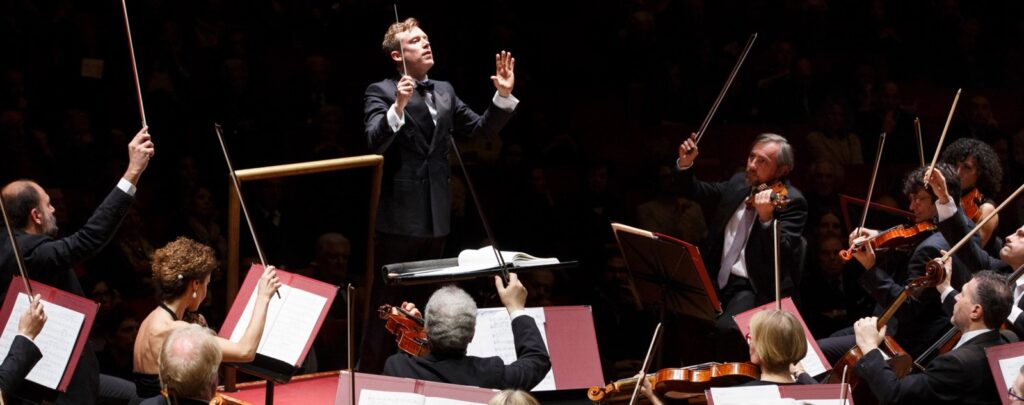
For the operagoer occasionally tempted to dismiss the concert hall as a lesser arena — too abstract, too undramatic, too far from the stage — an evening like this offers the best possible corrective. The Enigma Variations are, at heart, portraits: character studies in music, each one a miniature drama of personality and relationship, Elgar encoding the people he loves in sound with the instinct of a great librettist. And the Brahms concerto is a psychological document of the first order — grief, ambition, crisis, all of it audible, all of it shaped. The drama here is no less real for being invisible. It simply asks more of the listener. Last night, the listener was richly rewarded.
PROGRAMME
- Johannes Brahms — Concerto pour piano n°1 en ré mineur op. 15
- Edward Elgar — Variations Enigma op. 36
DISTRIBUTION
- Direction — Daniel Harding
- Piano — Igor Levit
- Premier violon — Andrea Obiso
- Orchestra dell’Accademia Nazionale di Santa Cecilia
About the Author