
LES VÊPRES SICILIENNES | Grand Théâtre de Provence
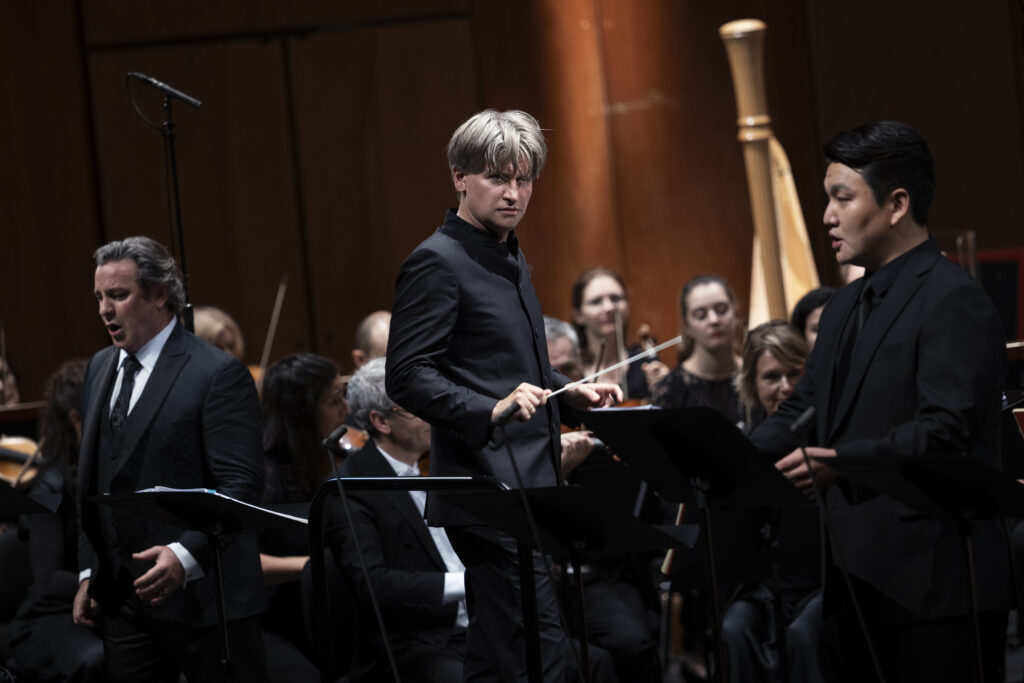
LES VÊPRES SICILIENNES, GIUSEPPE VERDI (1813–1901) — VERSION DE CONCERT. LE 16 JUILLET 2026 AU GRAND THÉÂTRE DE PROVENCE. DIRECTION MUSICALE : Daniele Rustioni. ASSISTANT DIRECTION MUSICALE : Clément Lonca. CHEFFE DE CHANT : Cécile Restier. LA DUCHESSE HÉLÈNE : Karine Deshayes. HENRI : John Osborn. GUY DE MONTFORT : Insik Choi. JEAN PROCIDA : Michele Pertusi. LE SIRE DE BÉTHUNE : Ugo Rabec. LE COMTE DE VAUDEMONT : Thomas Dear. NINETTA : Niamh O’Sullivan. DANIELI : Samy Camps. THIBAULT : Ronan Caillet. ROBERT : Jusung Park. MAINFROID : Grégoire Mour. CHŒUR ET ORCHESTRE : Chœur et Orchestre de l’Opéra de Lyon. Festival d’Aix-en-Provence. Photographies de Vincent Beaume.
The Aix-en-Provence Festival has treated us to superb concert-version operas in recent years. After a memorable Le Prophète, and a Norma that marked Karine Deshayes’ debut in the title role, we still fondly recall a beautiful French version of Lucia di Lammermoor.
Tonight brought another French version, the original one this time, of Les Vêpres Siciliennes, a work rarely heard on stage in this form. Expectations were high, and they were thoroughly exceeded.
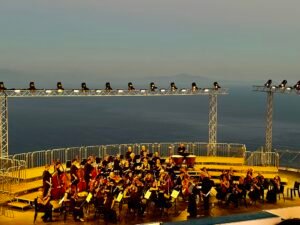
Credit first goes to an electrifying Opéra de Lyon orchestra. Led by a possessed Daniele Rustioni, the Lyon forces showed off their virtuosity in full. The house’s directeur musical émérite, as expressive as ever, breathed tremendous energy into one of Verdi’s finest scores. The duets, trios, quartets and larger ensembles were conducted with real precision, all the more remarkable given how little rehearsal time such a demanding work allows.
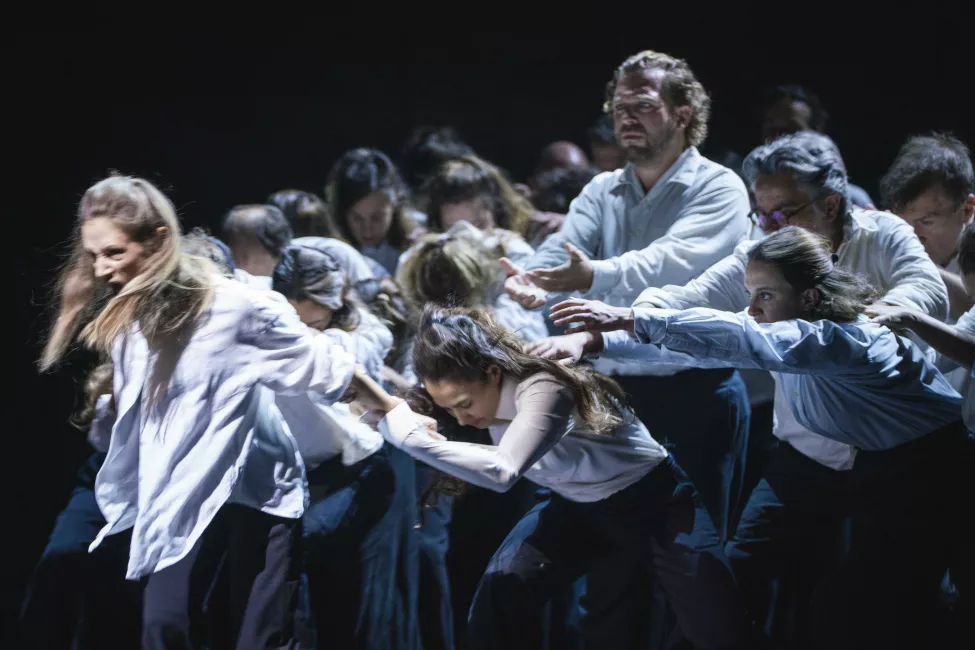
The Lyon chorus, trained by Benedict Kearns, was equally impressive. As the true central character of this opera, the chorus was exquisitely refined in “Dans l’ombre et le silence,” then unleashed its full power in the final “Oui, vengeance, vengeance!” The Opéra de Lyon shone brightly throughout.
Among the secondary roles, Jusung Park stood out as Robert, the baritone displaying handsome resources in the middle register and a fine stage presence.
Ronan Caillet and Grégoire Mour unfortunately had few solo lines to make their mark, as was also the case for Thomas Dear, whom one would have liked to hear more of. The role of Danieli allowed Samy Camps to show a little more of his talent, following his excellent Loge in Das Rheingold in Marseille. Ugo Rabec brought handsome low notes and fine projection to the Sire de Béthune. Finally, in the only secondary female role, Niamh O’Sullivan‘s Ninetta didn’t offer much chance to appreciate the singer’s talents, as the part is often folded into the chorus.
The opera rests chiefly on its principal vocal quartet, and tonight’s quality was truly outstanding.
The ever-reliable Michele Pertusi brought all his experience to a Jean Procida consumed by his thirst for revolt and freedom, right up to his murderous rage at the close. The Italian bass delivered a poignant “Et toi, Palerme,” and brought all his vocal artistry and deep low notes to the many ensembles.
The revelation of the evening, and the one who triumphed at the curtain call, was South Korean baritone Insik Choi, who turned in a phenomenal performance. His remarkably clear French diction served a bright timbre, powerful low notes and striking high notes. His aria “Au sein de la puissance” was one of the most moving moments of the night. He brought Montfort a full measure of humanity, making the character far more complex than he might otherwise appear. A genuine milestone in the career of this young singer, one to watch closely.
John Osborn needs no introduction as a hero of French vocal repertoire. His Henri lived up to that reputation: diction impeccable, timbre as charming and refined as ever. His singing line had real finesse and elegance, his top notes as brilliant as always. If his “Ô jour de peine et de souffrance” was gripping, he was equally memorable in his duets with Hélène.
That role was taken by Karine Deshayes, who made a triumphant entrance into this corner of the Verdi repertoire. Her ringing high notes and bel canto technique were on full display in the famous, superb “Merci, jeunes amies,” but she also impressed in the middle register and in the score’s heavier passages. Here too she formed a duo of rare precision with John Osborn. One hopes to see her continue down this path.
The long standing ovation from the Grand Théâtre de Provence made clear this was an evening that will stay in Aix’s collective memory.
La duchesse Hélène — Karine Deshayes
Henri — John Osborn
Guy de Montfort — Insik Choi
Jean Procida — Michele Pertusi
Le Sire de Béthune — Ugo Rabec
Le comte de Vaudemont — Thomas Dear
Ninetta — Niamh O’Sullivan*
Danieli — Samy Camps*
Thibault — Ronan Caillet
Robert — Jusung Park*
Mainfroid — Grégoire Mour
former members of the Festival’s Academy for young singers
Musical direction — Daniele Rustioni
Assistant conductor — Clément Lonca
Chorus master — Benedict Kearns
Répétiteur — Cécile Restier
Chorus & Orchestra — Opéra de Lyon
About the Author

3 thoughts on “LES VÊPRES SICILIENNES | Grand Théâtre de Provence”