ALCINA | Bayerische Staatsoper
Every opera house is an enchanted island, and no work knows it better than Alcina. Handel‘s sorceress rules a realm built entirely of illusion — lovers turned to beasts and rocks and streams, a paradise that exists only as long as the spell holds — and when her magic fails, so does the scenery, the light, the world. To stage it is to hold a mirror to the theatre itself, and at the Bayerische Staatsoper the evening’s real subject, under Johanna Wehner‘s direction, was precisely this: what happens to a woman, and to a stage, when the illusions stop obeying.
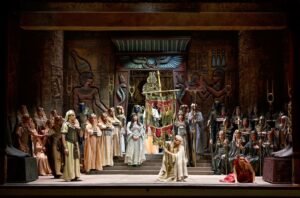
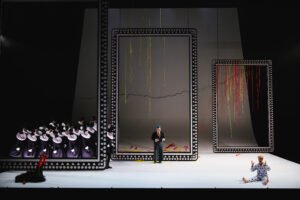
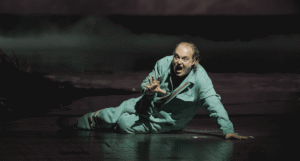
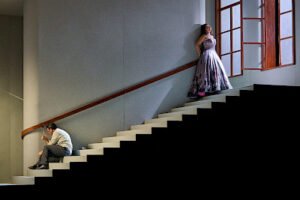
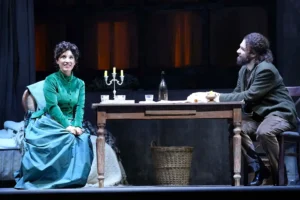
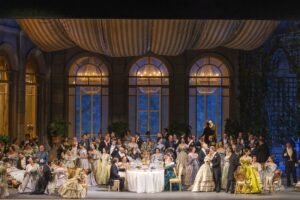
Wehner, who comes to opera from the spoken theatre, is less interested in Handel‘s marvels than in their unravelling. Her Alcina — designs by Benjamin Schönecker, costumes by Ellen Hofmann — treats the island less as a place than as a psychological state slowly stripped of its defences, the machinery of enchantment left visible so that we watch the sorceress lose control of it in real time. It is a reading that asks its singers to act through the da capo rather than around it, to make each return of the A section register a change of mind rather than a mere repeat — and for the most part the cast met that demand with unusual dramatic intelligence.
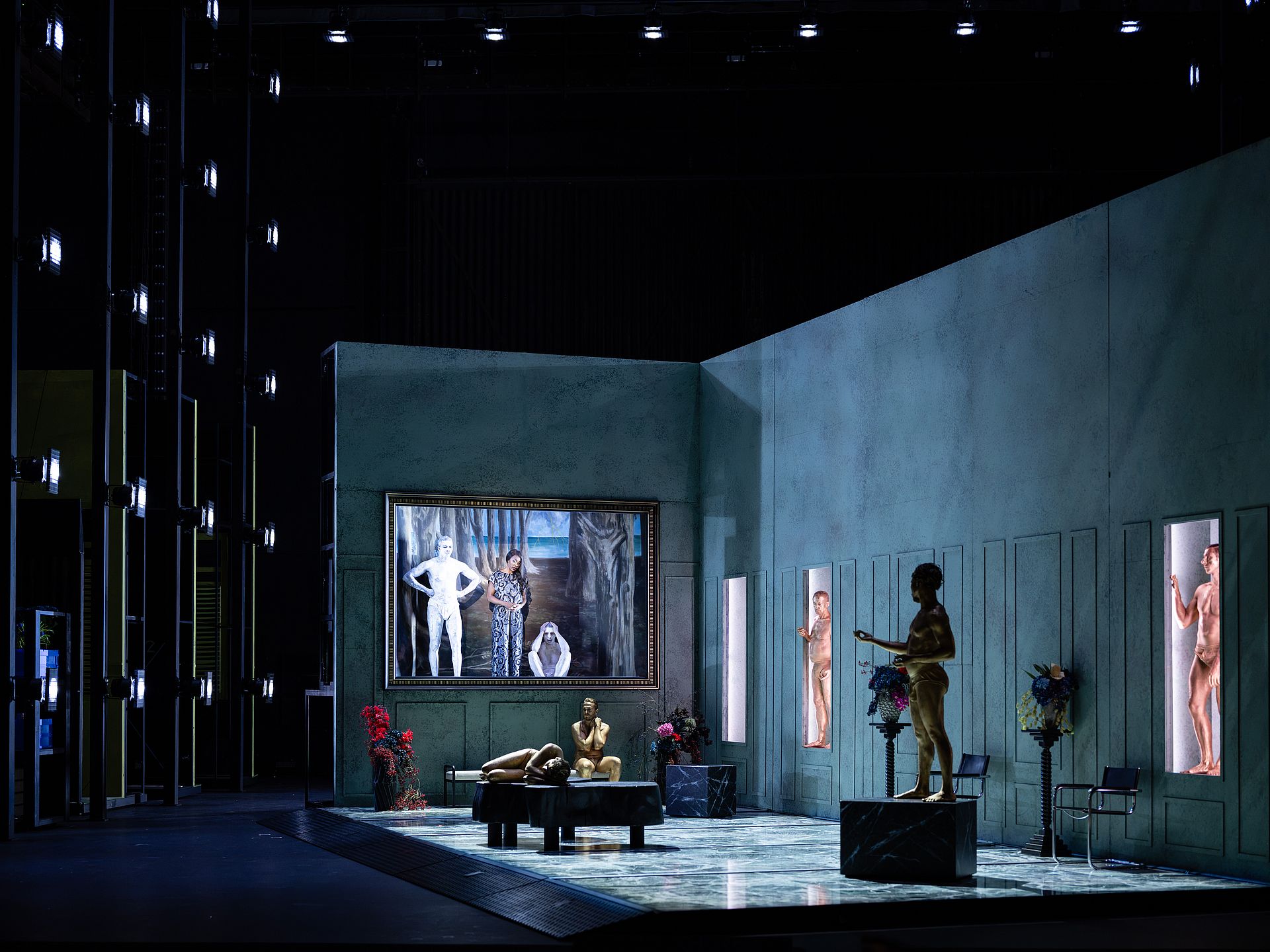
Chief among them, Jeanine De Bique‘s Alcina was a genuine assumption of the role. Hers is an instrument of very particular colour — smoky in the middle, gleaming and free at the top, with a coloratura that is never merely accurate but always inflected — and she deployed it as a dramatic weapon rather than a display case. “Di, cor mio” was all seduction and confidence; by “Ah! mio cor” the voice had darkened into wounded disbelief, the long lines sustained on breath that seemed to have no floor; and “Ombre pallide”, the moment the magic first refuses her, became a small tragedy of a woman calling on powers that no longer answer. This was singing that thought.
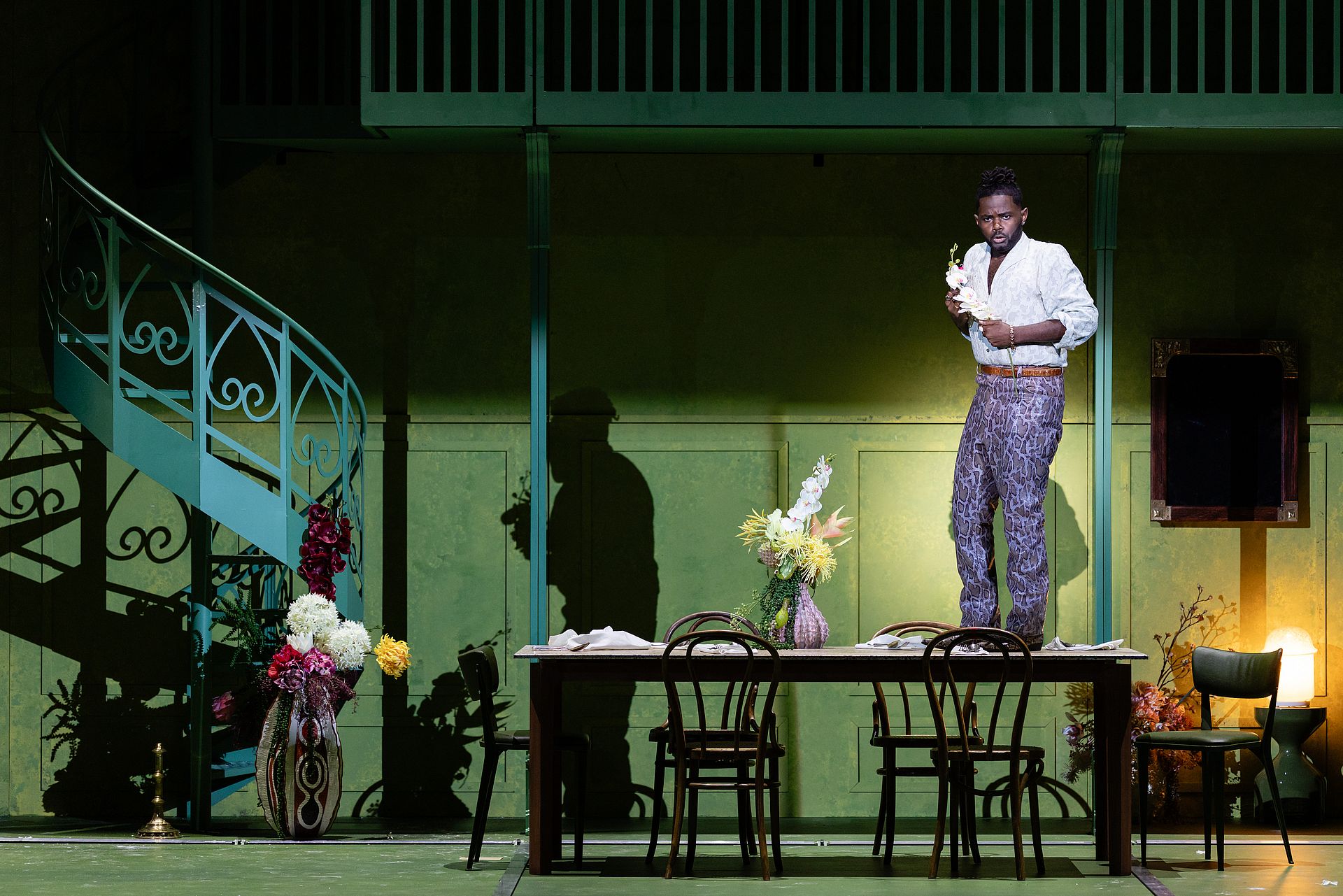
As Ruggiero, the countertenor John Holiday brought a distinctive, almost luminous upper register and a real feeling for Handel‘s long-limbed cantabile. “Verdi prati” — that impossible farewell to a beauty the singer knows to be false — was floated with disarming simplicity, the ornaments kept modest so the melody could ache; and he found the bravura fireworks of “Sta nell’Ircana” without letting them tip into mere athletics. If the very lowest reaches of the role occasionally thinned, the overall portrait — a man waking slowly out of a spell — was drawn with care.
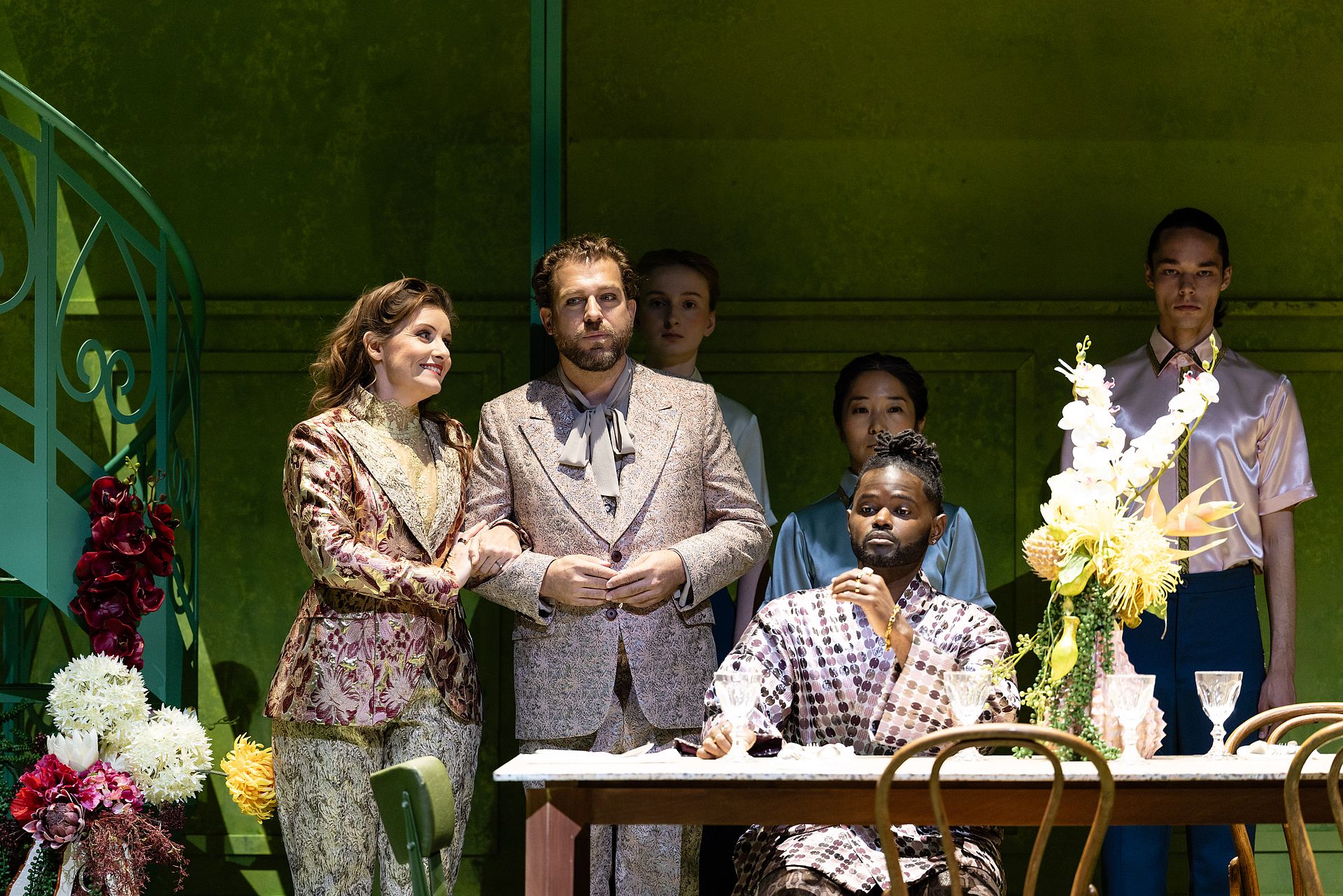
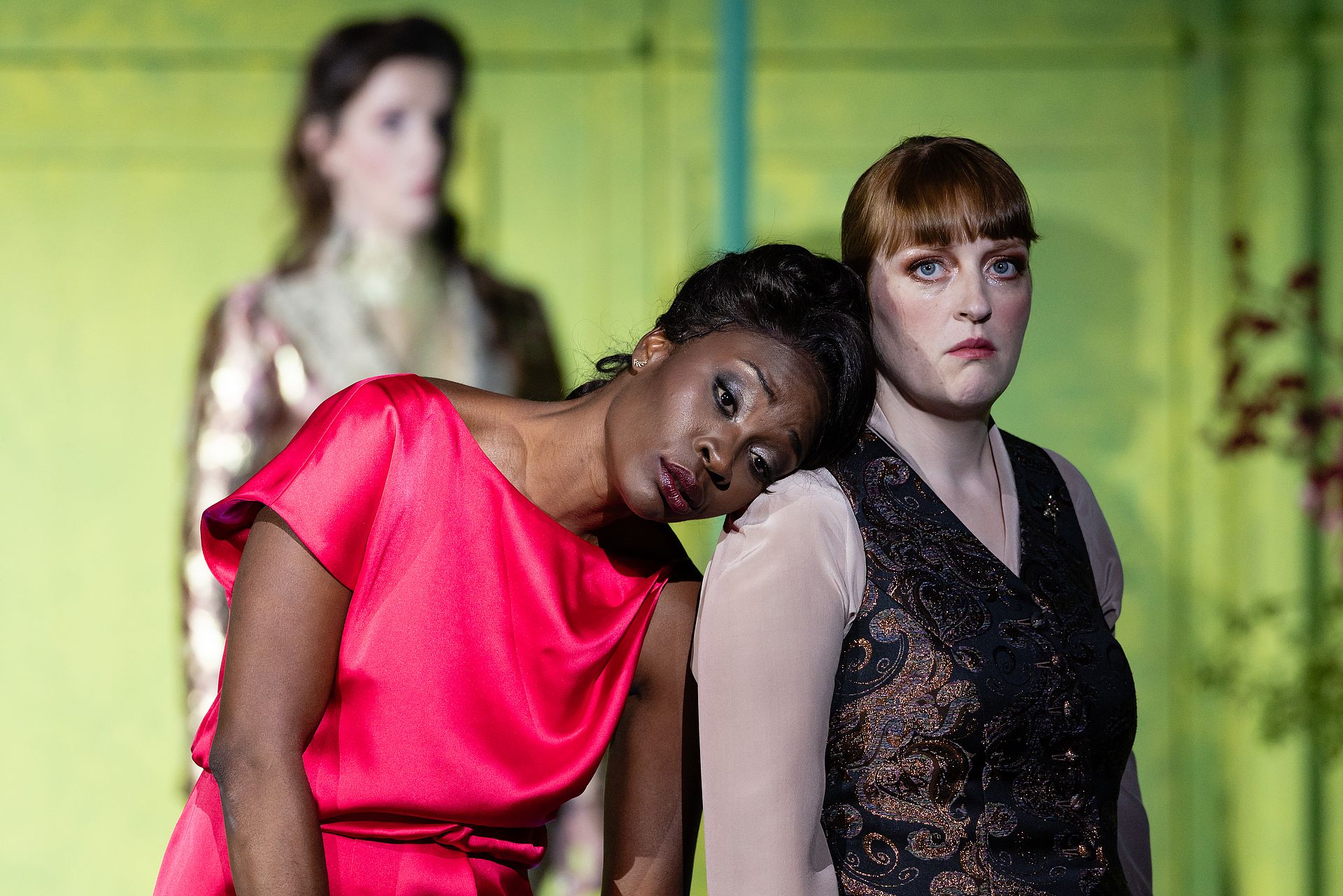
Elsa Benoit‘s Morgana supplied the evening’s brightest coloratura, “Tornami a vagheggiar” tossed off with pinpoint agility and a smile you could hear, and then, in “Credete al mio dolore”, a sudden turn to real pathos that reminded us Morgana is more than a soubrette. Avery Amereau lent Bradamante a plush, genuinely contralto lower register — a rare and welcome sound — that gave the disguised warrior weight and gravity. And in a piece of casting worth pausing over, Julian Prégardien brought his Lieder-schooled diction and Evangelist’s clarity to Oronte, phrasing the tenor’s arias with a scrupulous attention to the word that one more often hears in a Bach Passion than on the baroque stage — an interpolation of one tradition into another that paid off handsomely. Carine Tinney‘s Oberto, the child searching for his enchanted father, was sung with bright, touching directness, and Gerrit Illenberger gave Melisso his sober, steadying bass.
In the pit, Stefano Montanari conducted a Bayerisches Staatsorchester playing with evident period awareness — lean, sprung, rhythmically alive — and he shaped the score with the theatrical relish that is his signature, the continuo interventions vivid and sometimes deliberately provocative, the recitatives propelled as living speech rather than dutiful connective tissue. One may debate the odd flourish, but never the dramatic instinct behind it: this was Handel as theatre, taut and coloured, the numbers building genuine momentum across an evening that in lesser hands can subside into a concert in costume.
What stayed with me was how modern this three-hundred-year-old machine can feel when everyone on stage treats the da capo as a psychological instrument. Alcina is an opera about the terror of losing the power to make others believe — and there is no more operatic subject than that. On this evening the Bayerische Staatsoper made the case, through De Bique above all, that Handel‘s sorceress belongs among the great tragic heroines, not merely the great vocal showpieces. The spell, for once, held right up to the moment it was meant to break.
***
CAST
- Alcina — Jeanine De Bique
- Ruggiero — John Holiday
- Morgana — Elsa Benoit
- Bradamante — Avery Amereau
- Oberto — Carine Tinney
- Oronte — Julian Prégardien
- Melisso — Gerrit Illenberger
PRODUCTION
- Conductor — Stefano Montanari
- Director — Johanna Wehner
- Stage Designer — Benjamin Schönecker
- Costume Designer — Ellen Hofmann
- Lighting — Michael Bauer
- Dramaturgy — Saskia Kruse
- Bayerisches Staatsorchester
Photos: © Geoffroy Schied / Bayerische Staatsoper
About the Author