BRUCKNER 7 | Orchestre Philharmonique de Radio France
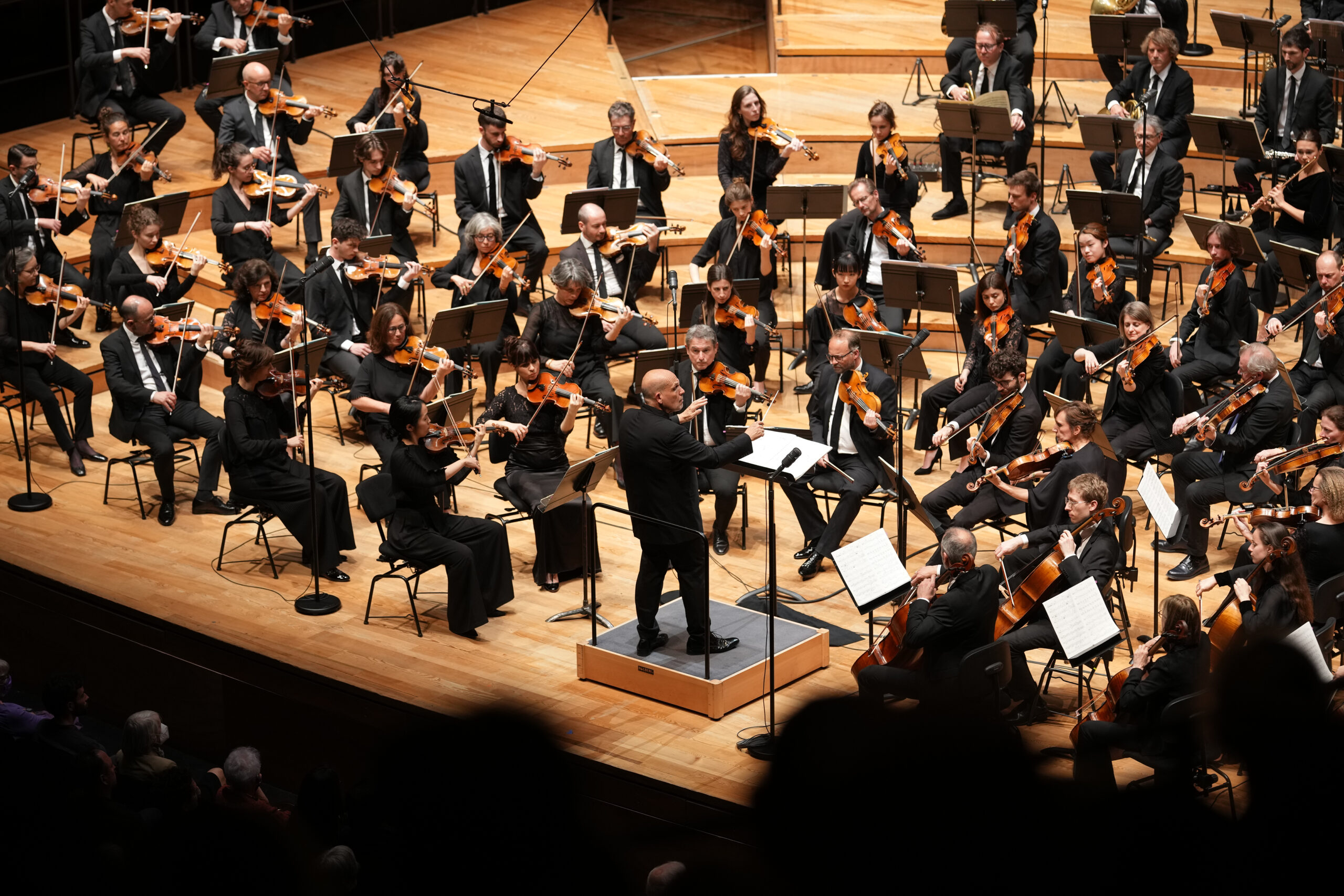
Concert de l'Orchestre Philharmonique de Radio France, dirigé par Jaap Van Zweden. Mao Fujita, piano. A la Philharmonie de Paris
The Adagio of the Seventh — written in part as a tombeau for Wagner, scored for the first time in Bruckner‘s output with four Wagner tubas — is the longest umbilical cord in nineteenth-century music between the symphonic stage and the operatic one. That, more than anything else, was what Jaap van Zweden and the Orchestre Philharmonique de Radio France made you hear on 29 April 2026 at the Grande salle Pierre Boulez.
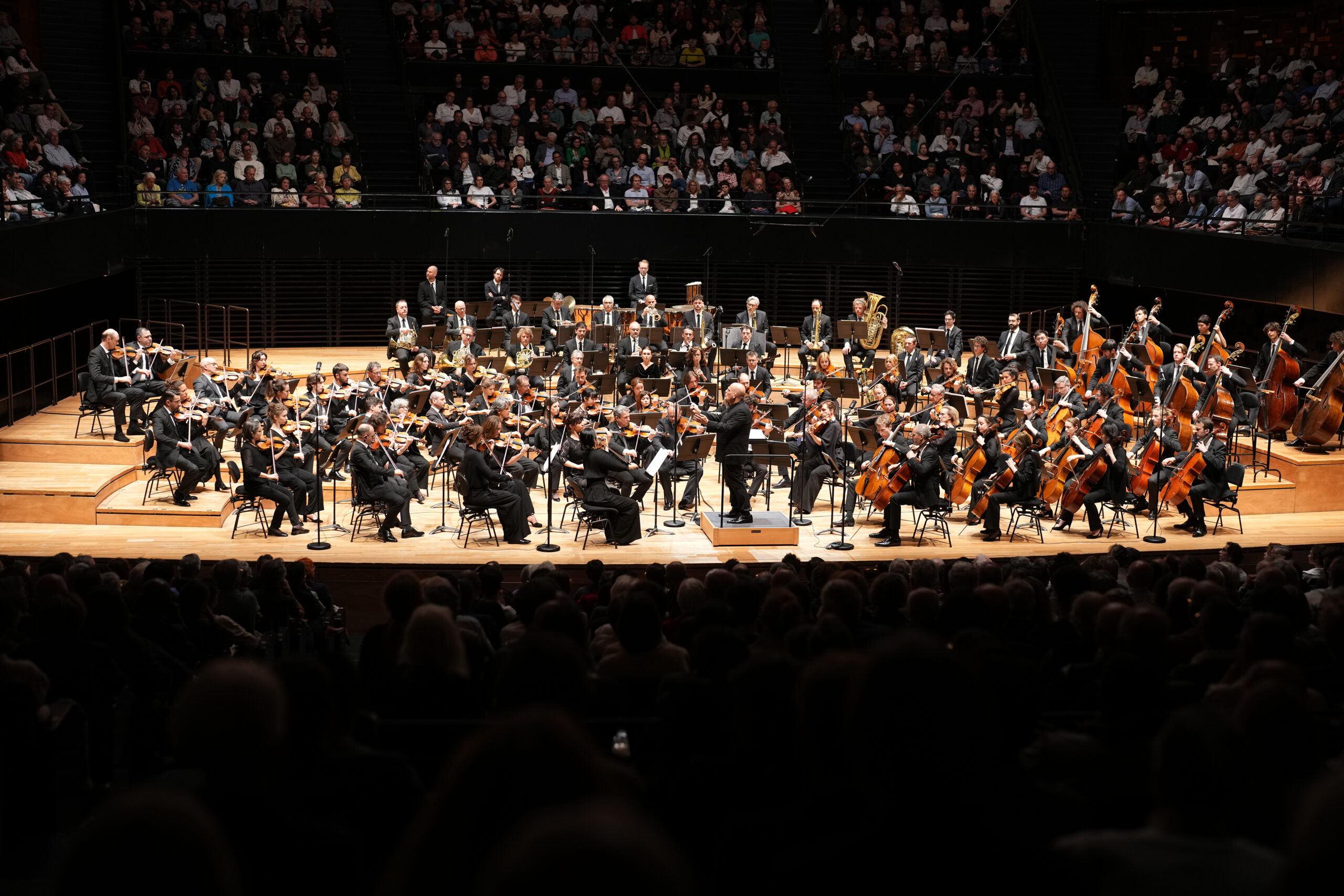
Van Zweden does not need to be argued for, but it bears saying that this conductor’s pedigree is operatic at its core: a complete Ring recorded in Hong Kong, a Wagnerian ear that hears every long line as a vocal line. That ear was the through-thread of the evening. The opening movement unfolded with the patience of a true Brucknerian — every paragraph aimed at the structural point that justified it, the brass crowning the tutti without erasing the strings beneath. The Wagner tubas, in the Adagio, were not just weighty but timbrally specific: each note resting in its own colour, the chordal voicings audible inside the unison, no smudging. The great C-major climax was built with such patience that when the cymbal crash arrived it came as the inevitable consequence of everything before it; the descent that followed was paced like the close of a Wagnerian Trauermarsch, the tempo never breaking, the harmony still telling its story. The Scherzo had bite, the Trio’s Ländler a properly nostalgic slowness, and the Finale — that endlessly debated movement which lesser conductors treat as a postlude — was here given full structural standing, the recapitulation glowing in the brass. Mastered Bruckner. The word “exceptional” earned without flinching.
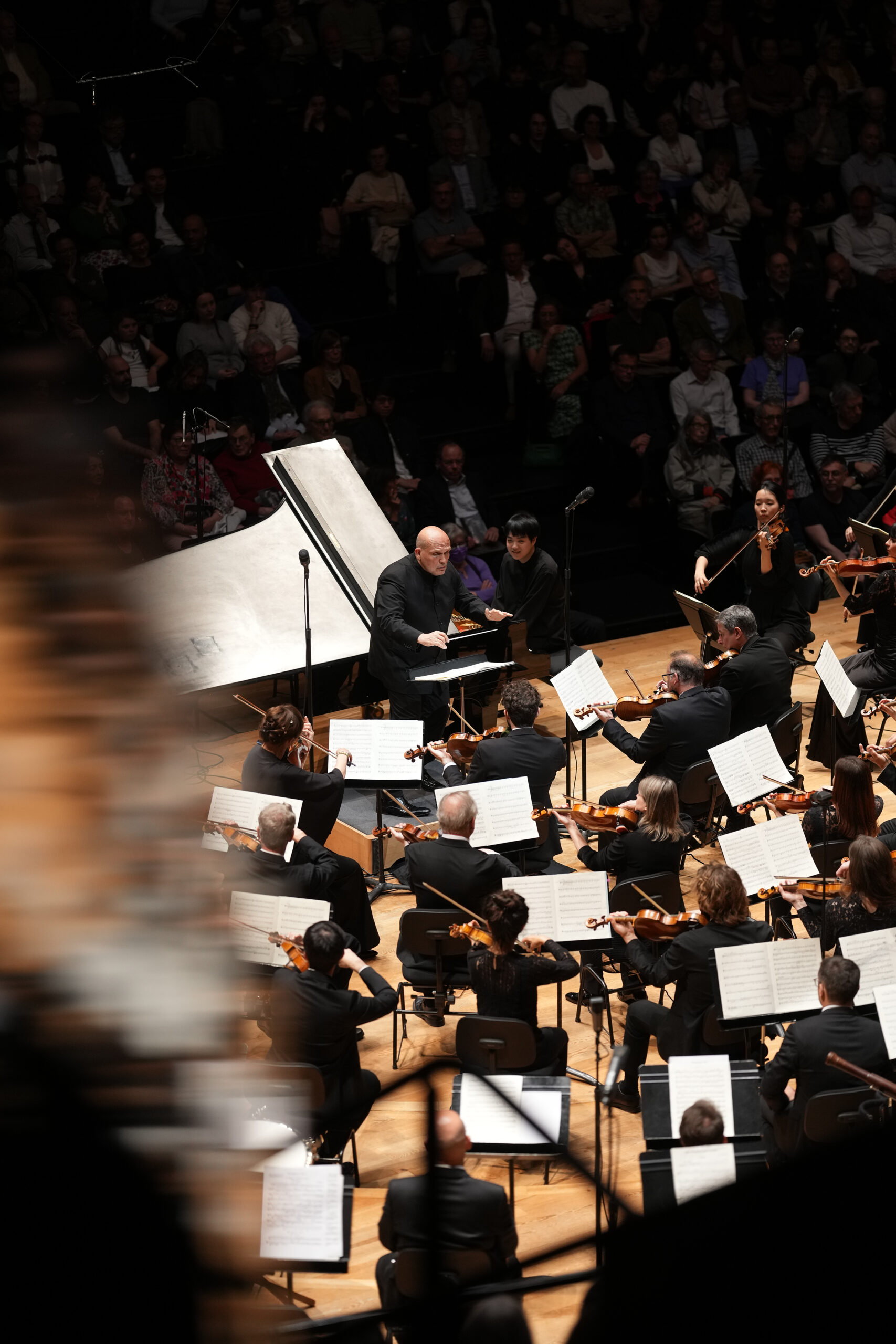
The first half had been Mozart, the Piano Concerto No. 21 in C, K. 467, with Mao Fujita at the keyboard, and it deserves its own paragraph because it refused the room’s expectations. This was not the silken, proportioned Mozart of Pires or Brendel, not the suave Salzburg orthodoxy that has settled, in our age, into a kind of decorum. Fujita played a more pointed, more theatrical Mozart: articulations that carved the line, dynamics shaped to a phrase’s rhetorical sense rather than to a stylistic ideal, an Andante — the “Elvira Madigan” movement, though one resists the cinematic nickname — sung as a quasi-operatic aria, rubato hovering without ever stopping the pulse. Above all, his own cadenzas surprised the ear with figurations and harmonic detours one had not heard before but did so with such taste that they read not as imposition but as commentary. Fresh, original, theatrically alive: a young pianist with a point of view, and a point of view is the rarest thing in Mozart today.
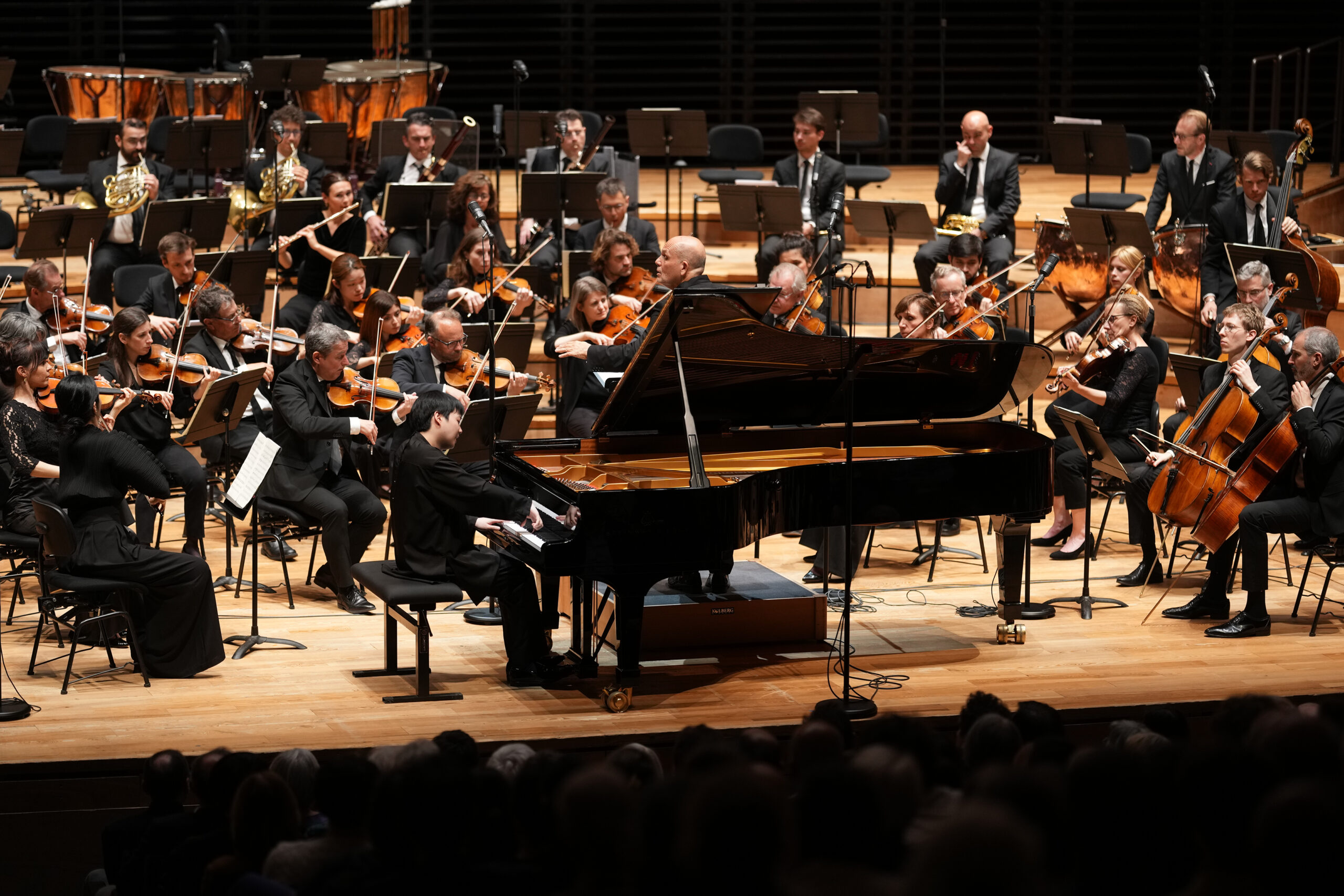
The orchestral accompaniment was nimble — chamber-scaled woodwinds, lean strings, Van Zweden keeping the dialogue from tipping into symphonic weight. And dialogue is the right word, because the Mozart piano concertos are operatic by design: the soloist is a prima donna, the orchestra a company, the cadenzas arias da capo for the keyboard. Fujita‘s reading understood this not by costuming the music but by playing it as if every phrase were sung.
To attend a concert that opens with Mozart‘s most operatic concerto and closes with Bruckner‘s most Wagnerian symphony is to be reminded, once again, how thin the wall is between the symphonic stage and the operatic one. Van Zweden and Fujita spent the evening pulling pieces of that wall down. Long live the conductors who hear their orchestras as opera companies, long live the pianists who hear their concertos as scenes, and long live the Philharmonie de Paris for an evening that earned the word.
***
PROGRAM
- Wolfgang Amadeus Mozart — Piano Concerto No. 21 in C major, K. 467
- Anton Bruckner — Symphony No. 7 in E major, WAB 107
DISTRIBUTION
- Conducting — Jaap van Zweden
- Piano — Mao Fujita
- Orchestra — Orchestre Philharmonique de Radio France
Photographies : © Christophe Abramowitz / Radio France
About the Author