LA FORZA DEL DESTINO | Bühnen Bern
I was extremely excited about this one.
Last year, when the new seasons were announced, I saw that both Zurich Opera and Stadttheater Bern were programming La forza del destino — which, by the way, is easily in my top 3 favorite operas ever.
So yes, I was hyped.
So hyped that I had actually planned to see this production four times: May 5, May 8, May 12, and June 9.
That was… before I saw it.
The good things (because there are some)
Let’s start with what worked.
One thing I genuinely love about Bern is the ensemble spirit. You can see a singer one night as Romeo or the Duke in Rigoletto, and the next day in a smaller role like Trabuco. It’s something you don’t see everywhere, and it creates a strong, cohesive company. It’s also incredibly valuable for the artists.
Vocally, there were some real highlights.
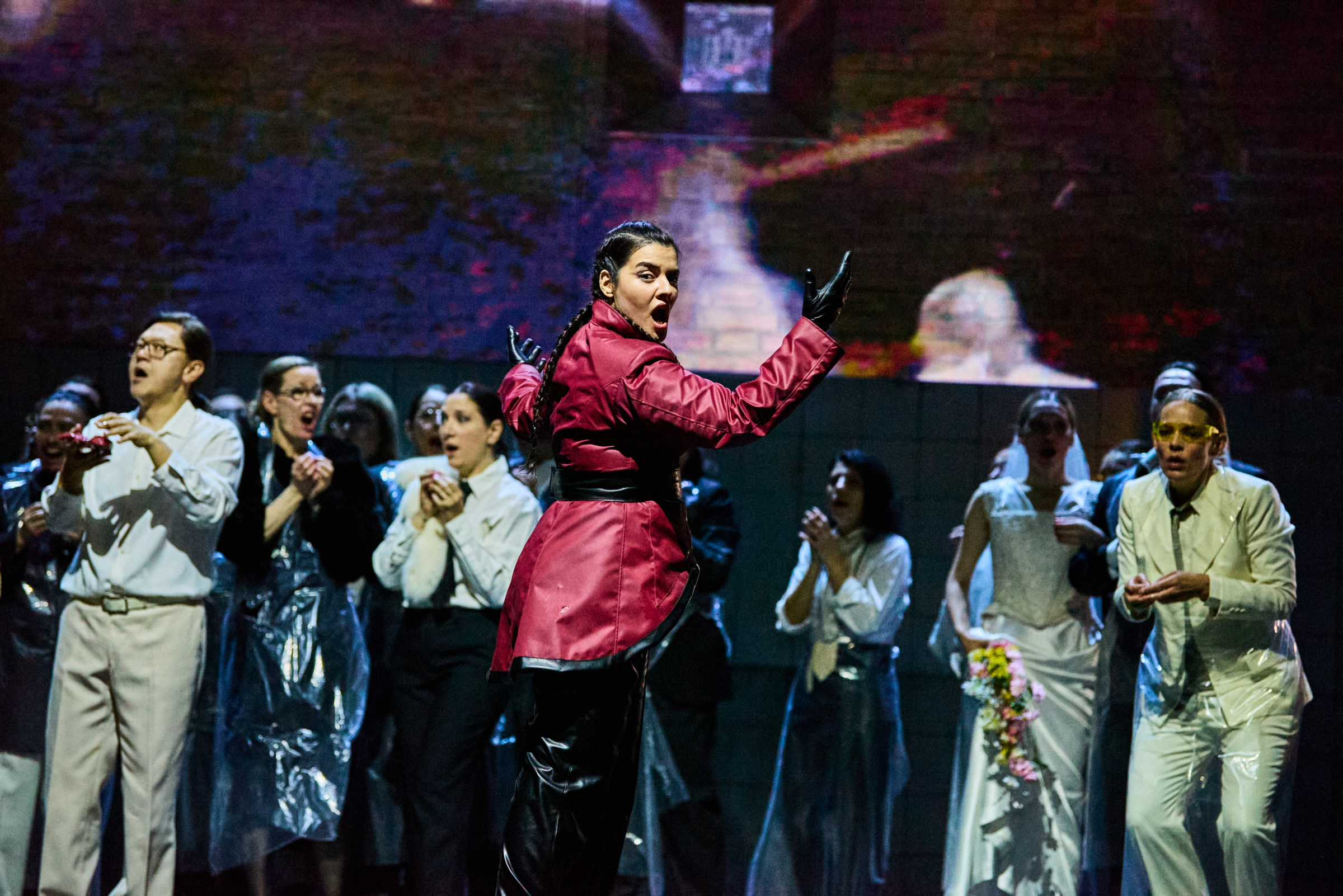
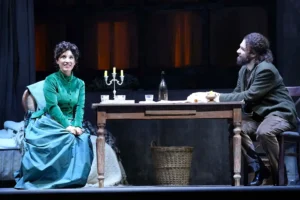
Caterina Marchesini (Donna Leonora) delivered a very solid performance. She has a beautiful, rich voice, especially in the lower register — at times, it even reminded me a bit of Anna Netrebko. There was also a believable chemistry with Mihails Čuļpajevs (Don Alvaro), which helped anchor the emotional core of the story.
Gustavo Castillo (Don Carlo di Vargas) was probably the strongest presence of the night. Imposing, confident, vocally solid — he really carried the performance. You could feel that he had control over the stage.
A special mention as well for Marcela Rahal (Preziosilla) — one of my favorite roles in all of Verdi. She brought energy, charisma, and a touch of charm that the production definitely needed. Strong stage presence, engaging, and musically convincing.
And then… the problem
I’m going to be very direct.
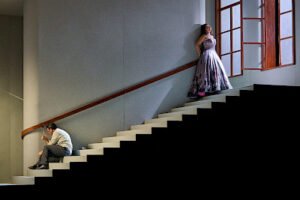
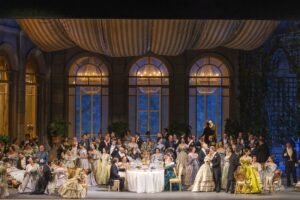
This staging didn’t work. At all.
And I don’t say that lightly — I go to Bern often, and I’ve never been disappointed before. But this time… I was.
For me, La Forza del Destino is one of Verdi’s darkest, most tragic works. You go there to feel something deep — pain, tension, fate, drama.
Not to laugh.
But here, there was a constant attempt to inject humor into everything. And it just killed the piece.
Too much concept, not enough Verdi
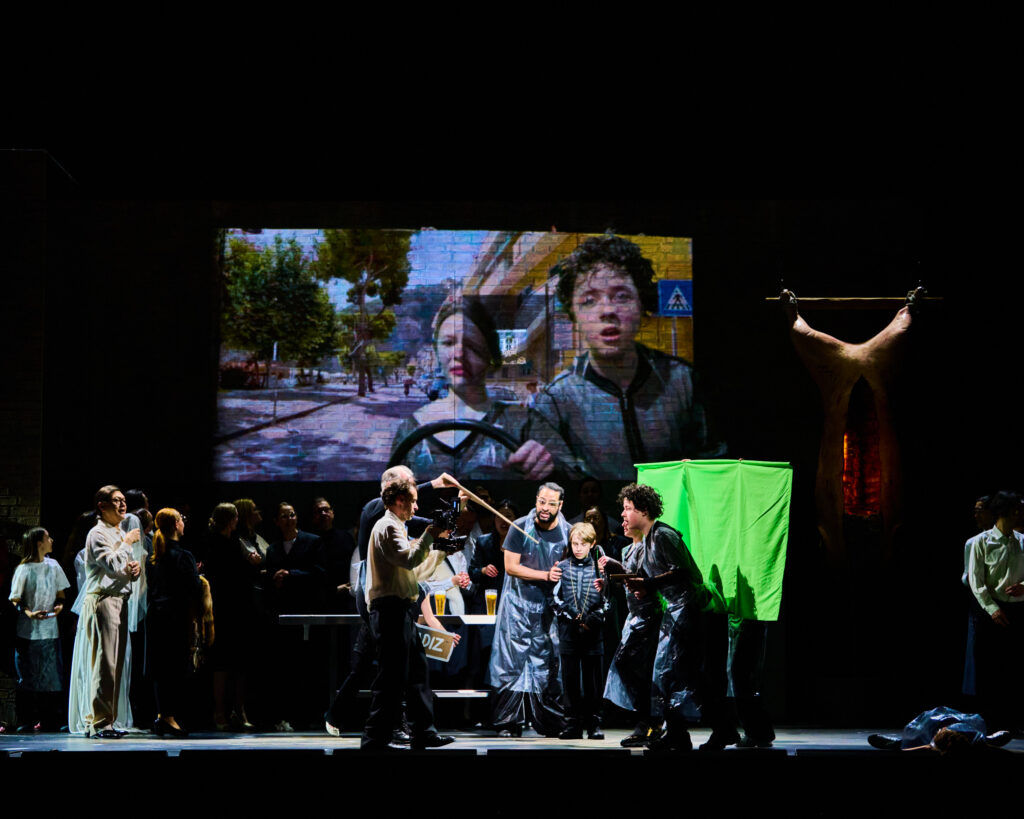
There was a cameraman on stage almost the entire time, filming the action live and projecting it on a big screen above.
Sounds interesting on paper.
In reality? A disaster.
There was a noticeable delay between what you saw on stage and what you saw on screen — about a second. It completely broke the immersion. Instead of focusing on the music, you’re distracted by something that just doesn’t sync.
And more broadly, the whole production felt like it was fighting against the music instead of serving it.
The moment that broke everything
There’s one moment I can’t forget — and not in a good way.
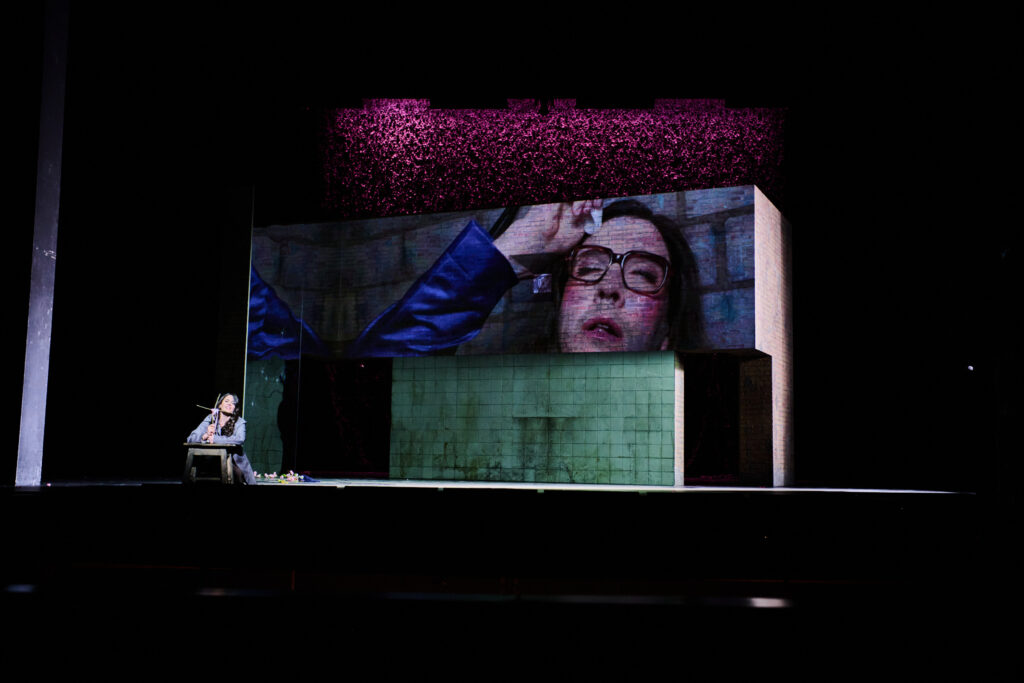
During one of the most emotional sections of the opera, leading into “Pace, pace mio Dio”, Verdi gives us one of the most beautiful, heartbreaking orchestral moments ever written.
What do we get on stage?
A video projection of a woman with a moustache, speaking in rough German… making the audience laugh.
People were literally laughing.
In that moment.
That says everything.
A bigger issue
What bothered me even more was the confusion in the audience.
I heard people around me asking:
“Why is this happening?”
“I don’t understand…”
And that’s the problem.
If you want to reinterpret a masterpiece, fine — but you have to give the audience something to hold onto. Especially for newcomers. Otherwise, you’re not opening doors — you’re closing them.
At some point, I genuinely felt that this kind of production needs a disclaimer:
“This is not the original work. This is a reinterpretation.”
Because otherwise, it’s misleading.
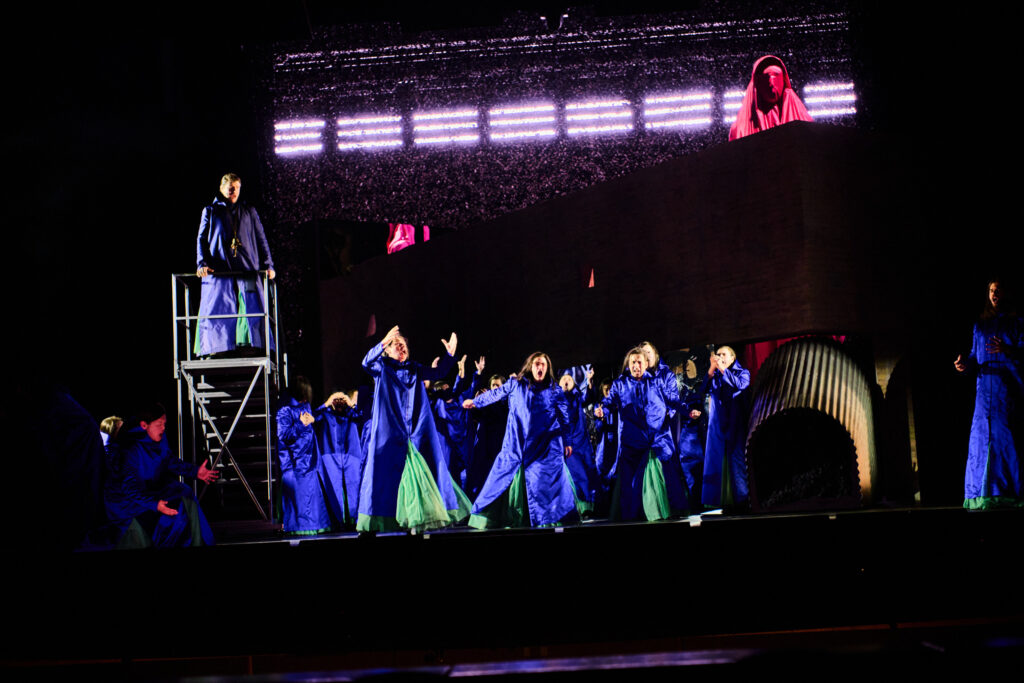
Final thoughts
I left at the intermission.
And I had planned to come back three more times.
That tells you everything.
This is not about being conservative or refusing modern ideas — it’s about respect for the music, for the emotion, for what Verdi wrote.
When you touch Giuseppe Verdi, you have to know what you’re doing.
And here… it just didn’t work.
A real disappointment to end what is otherwise a very strong season for Bern.
*******************************
CAST
Donna Leonora – Caterina Marchesini
Don Carlo di Vargas – Gustavo Castillo
Don Alvaro – Mihails Čuļpajevs
Preziosilla – Marcela Rahal
Diana Mian – Curra
Michal Baczyk – Un alcade
Ian Matthew Castro – Trabuco
Oksana Vakula – Braut
–
Staging – Julia Lwowski
Conductor – Alevtina Ioffe
About the Author



If you left at the intermission, how come you know what happened just before Pace, Pace?
Pace, Pace comes almost at the very end of the opera, so somethings isn’t quite right here…
Hey Martin, the intermission was 2 hours after the start of the show, and I stayed for Rataplan from Rahal, and when I saw thi “girl” before pace pace, I left