VERDI | Sächsische Staatskapelle Dresden
The Verdi Requiem had already been heard once in Paris this season — Gianandrea Noseda conducted it in March with the Zurich forces — which made Friday’s performance at the Grande salle Pierre Boulez a test by comparison. The test was not close.
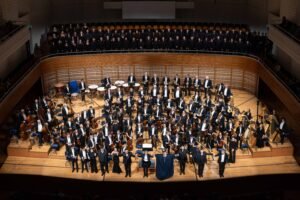
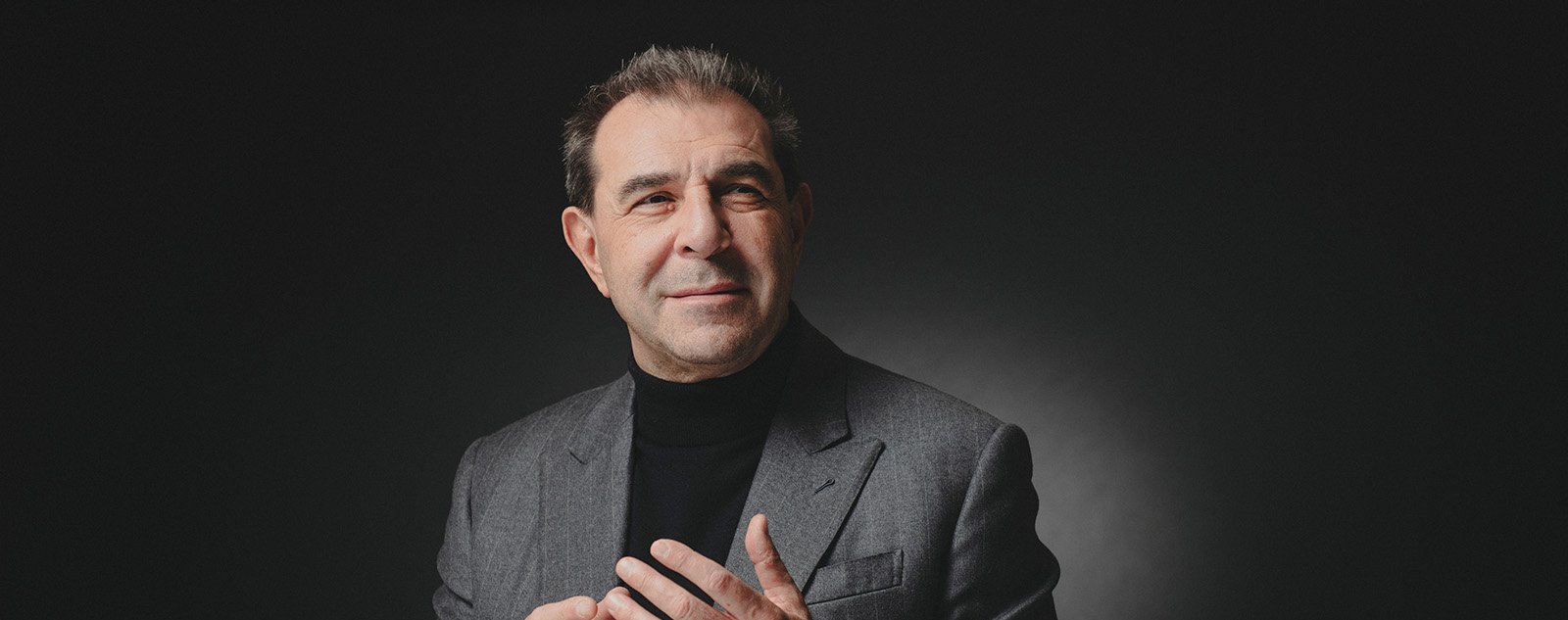
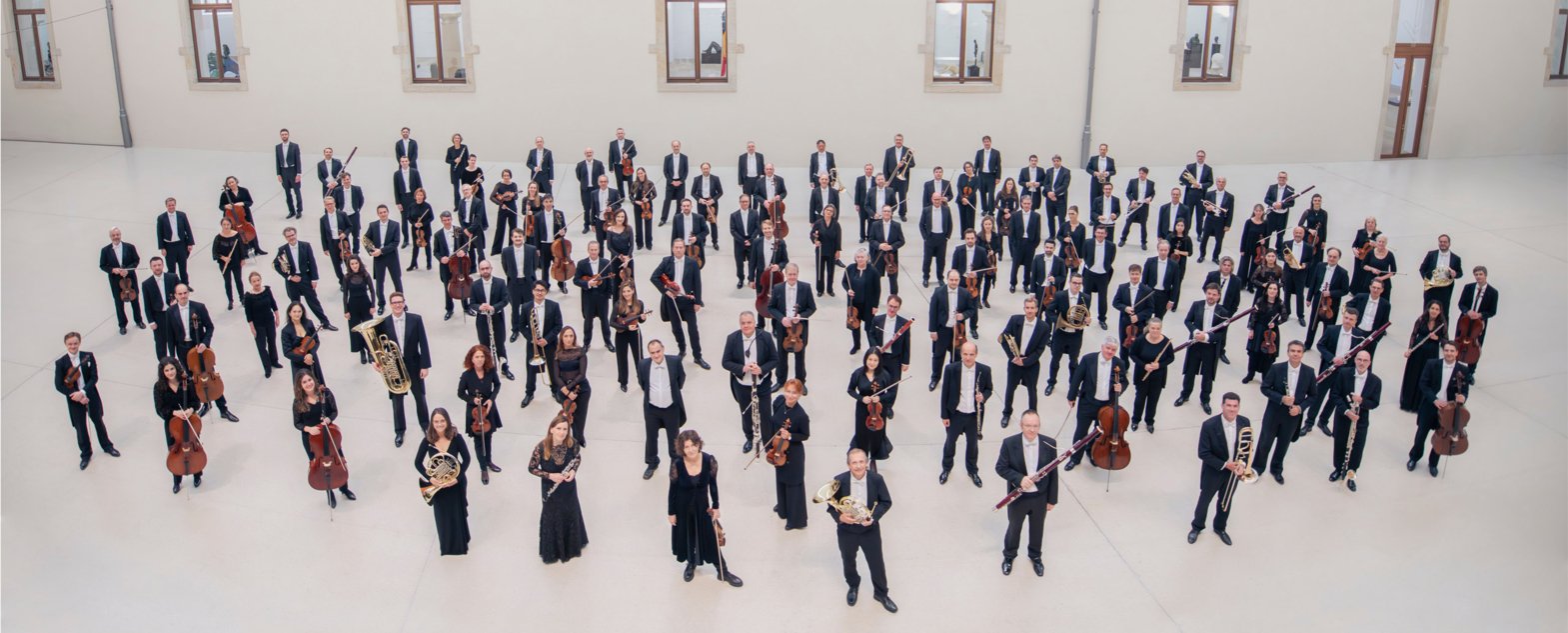
Daniele Gatti shaped the Requiem as a single continuous argument — the mass traced from the opening Requiem aeternam to the final Libera me without seams, its architecture visible throughout, its dramatic logic pressed forward without rhetoric. The word monumental applies, but in the structural sense: this was a reading in which the proportions were right, every climax arrived at rather than seized, the long spans of the Agnus Dei and the Recordare held at a pianissimo the large hall almost never permits itself. He conducted without a score — the Requiem lived inside him, not in front of him — and the freedom this gave to the dynamic shaping was audible. The Sächsische Staatskapelle Dresden played with a timbral beauty that its institutional memory of Wagner and Strauss explains but does not fully account for: a string body of almost vocal warmth, brass that blazed in the Dies irae without hardening, woodwinds that phrased rather than accompanied. The Chœur de l’Orchestre de Paris, prepared by Richard Wilberforce, was precise and dramatically alert — capable of the true piano this reading required, present as an actor and not merely as a force.
The quartet held. Elīna Garanča‘s Liber scriptus settled the question of the evening within the first minutes of the second movement. The mezzo voice — dark-grained, unhurried, legato unbroken across every phrase — carried its full authority without a trace of forcing, and by the end of the movement the rest of the performance had found its level. This was the ceiling; everything else would have to reach it. Eleonora Buratto was the ideal partner: the soprano warm rather than steely at the top, her Libera me delivered with the power the passage demands and the inwardness that keeps it from becoming an exhibition. Benjamin Bernheim brought to the Ingemisco a tenor of easy, glowing security — top notes placed without strain, the line sustained as Verdi‘s writing asks it to be. Riccardo Zanellato grounded the Confutatis with resonant authority. Not one of the four gave less than their full measure. In a Requiem, the quartet is the drama — there is no stage, no action, nothing but the voices and what they do with the text — and this one was complete.

The work belongs to the long silence between Aida and Otello, the decade Verdi spent insisting he had retired from the theatre. He had not retired from anything; he had only changed the building. The Requiem‘s full dramatic machinery — its sense of contrast, its theatrical instinct for the exactly timed eruption — is the same mechanism as the great trilogy, redirected. Gatti did not explain this. He simply conducted it as though the distinction between sacred music and opera had never arisen. One left the Grande salle Pierre Boulez in the particular silence that follows an evening outside the ordinary register of a concert.

***
CAST
- Soprano — Eleonora Buratto
- Mezzo-soprano — Elīna Garanča
- Ténor — Benjamin Bernheim
- Basse — Riccardo Zanellato
PRODUCTION
- Direction musicale — Daniele Gatti
- Orchestre — Sächsische Staatskapelle Dresden
- Chœur — Chœur de l’Orchestre de Paris
- Chef de chœur — Richard Wilberforce
Daniele Gatti © Markenfotografie / Sächsische Staatskapelle Dresden © Markenfotografie / Elīna Garanča © Christoph Köstlin / Benjamin Bernheim © Christoph Koestlin / Eleonora Buratto © Julian Hargreaves
About the Author