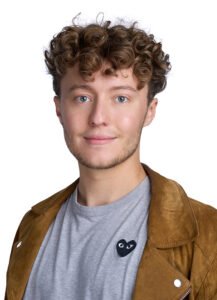
INTERVIEW | Marco Pangallo – Content creator/Tenor
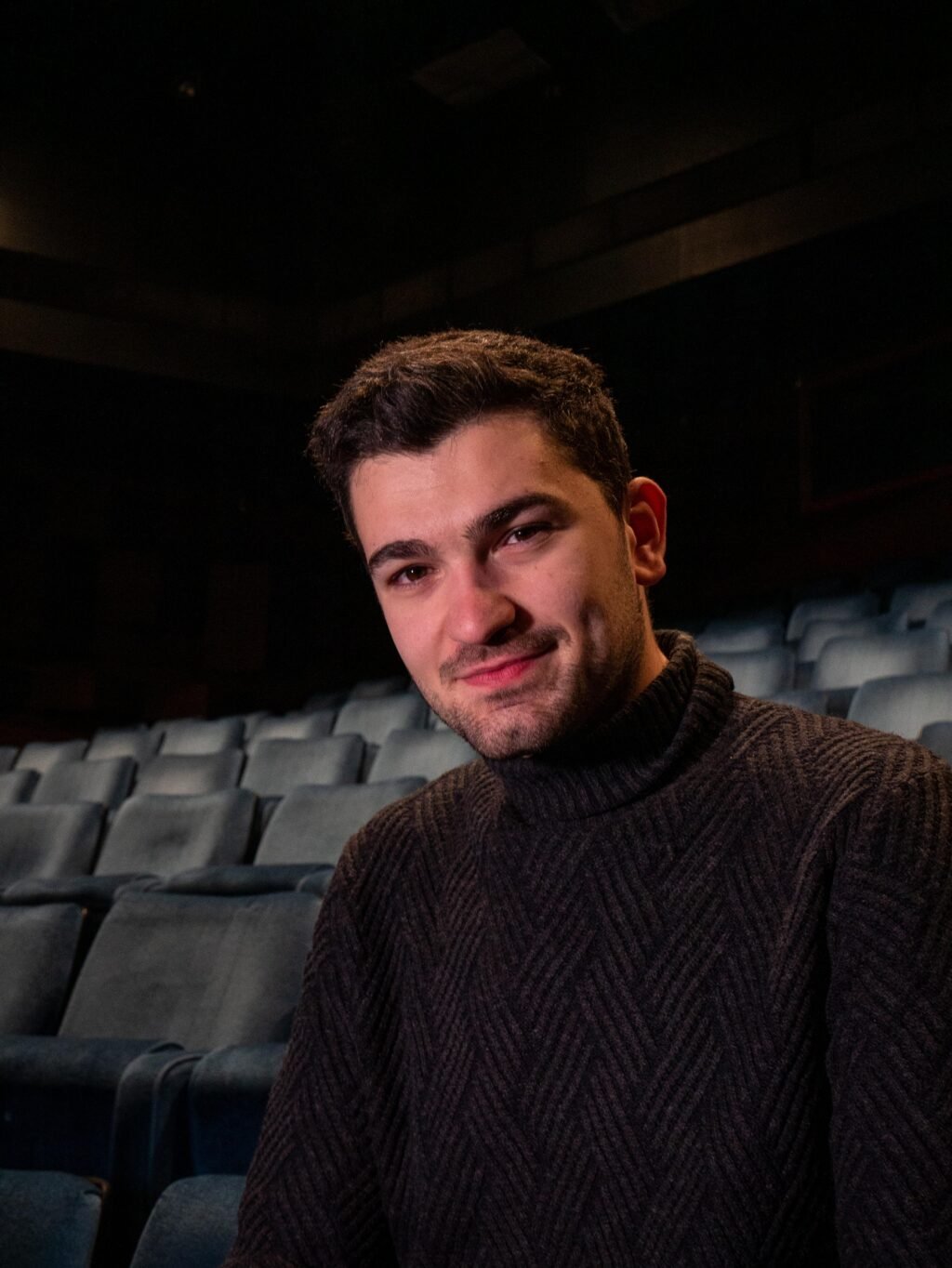
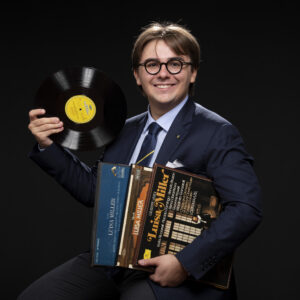
There’s something I love about meeting someone: when they share a story or a passion with me. Whether it’s music, travel, art, or even something that doesn’t initially interest me, I love it when the person in front of me talks about their passion with such conviction that you want to learn more! Marco does exactly that, and he does it with great talent on social media. Discover the portrait of a truly dedicated guy.
1. To begin with, could you introduce yourself? Who are you, what do you do, and how long has opera been part of your life?
My name is Marco Pangallo, and I am an opera singer, a tenor. Besides singing, I also teach and I am a content creator on social media, where I talk about opera and music, trying to make them more accessible and appealing even to people who may never have had the chance to approach this world.
Opera has been part of my life for many years, and today it has become not only my profession, but also a fundamental part of who I am. I am continuing to specialise in singing and in my repertoire, and my goal is to join an academy at a major opera house in the future, where I can continue to study, work and grow professionally. I believe that, especially in singing, you never stop learning.
2. Do you remember the first time you went to the theatre to see an opera? What was the performance like, and what emotions did you experience?
The first opera I saw was Mozart’s Le nozze di Figaro at Teatro alla Scala, around 2015–2016. What I remember most is the feeling of awe of being at La Scala and finally experiencing live everything I had previously known mainly through music and recordings.
Hearing the orchestra, the voices without amplification, and seeing the story come to life on stage made me realise just how powerful opera theatre could be. Looking back, it was one of those moments that you recognise as important because it helped me fall even more deeply in love with this world.
3. If you could see your ideal opera, with your ideal cast — living or dead — in your ideal theatre, which one would you choose?
Without a doubt, I would choose Mozart’s Don Giovanni at La Scala, with a completely impossible cast, bringing together singers from different generations.
As Don Giovanni, I would choose Cesare Siepi; as Donna Anna, Maria Callas; as Donna Elvira, Elīna Garanča; as Don Ottavio, Jonas Kaufmann; and as Leporello, Ildebrando D’Arcangelo. And conducting the orchestra, I would want Herbert von Karajan.
It would obviously be an impossible evening, but that is precisely why it would be my dream cast: some of the greatest performers I admire, brought together in the same theatre for the same opera. One of those evenings when, quite honestly, I would never want the curtain to come down.
4. If you could relive one evening at the opera, which one would you choose?
I would definitely choose La Bohème at the Arena di Verona in 2024.
It is an evening I would love to relive above all because of the setting. Seeing La Bohème inside the Arena, on such a monumental scale and under the open sky, was something truly wonderful. And then there is Puccini’s music, which in an opera like La Bohème has an incredible emotional power.
It was one of those evenings when the place, the music and the story came together perfectly. And La Bohème is already such a deeply moving opera; experiencing it in that setting made it even more special.
5. What is the strongest emotion you have ever experienced during a performance?
It was probably during Mozart’s Così fan tutte at La Scala, particularly during the trio Soave sia il vento.
It is seemingly a very simple moment: Fiordiligi, Dorabella and Don Alfonso say goodbye to Ferrando and Guglielmo as they depart, wishing them a gentle wind and a safe journey. But Mozart’s music at that moment is incredibly beautiful: suspended, delicate, almost outside of time.
And that evening was perhaps the first time that, during a performance, I simply could not hold back my tears.
As a singer, I am also aware of everything that lies technically behind a passage like this, but in that moment I completely stopped listening to it as a musician. I was simply an audience member overwhelmed by the music. Hearing those voices, that orchestra and that melody in a place like La Scala was an incredibly physical and emotional experience. It was one of those moments when you understand why music can reach people so deeply.
6. If you had to convince someone who has never been to the opera to go, what would you tell them?
I would tell them not to think they need to be an expert. You don’t have to know Mozart, Puccini or Verdi, you don’t have to read music, and you don’t need any particular preparation before going to the theatre.
You simply have to sit down and allow yourself to be told a story.
Opera brings together theatre, music, scenery and, above all, the human voice, which can fill an entire theatre without a microphone. And when all of these elements come together live, something truly powerful can happen.
That is why I believe opera doesn’t necessarily have to be understood beforehand: it has to be experienced. And perhaps, after experiencing it, you realise that it was much closer to you than you ever imagined.
About the Author