Interview | Fabio Rickenmann
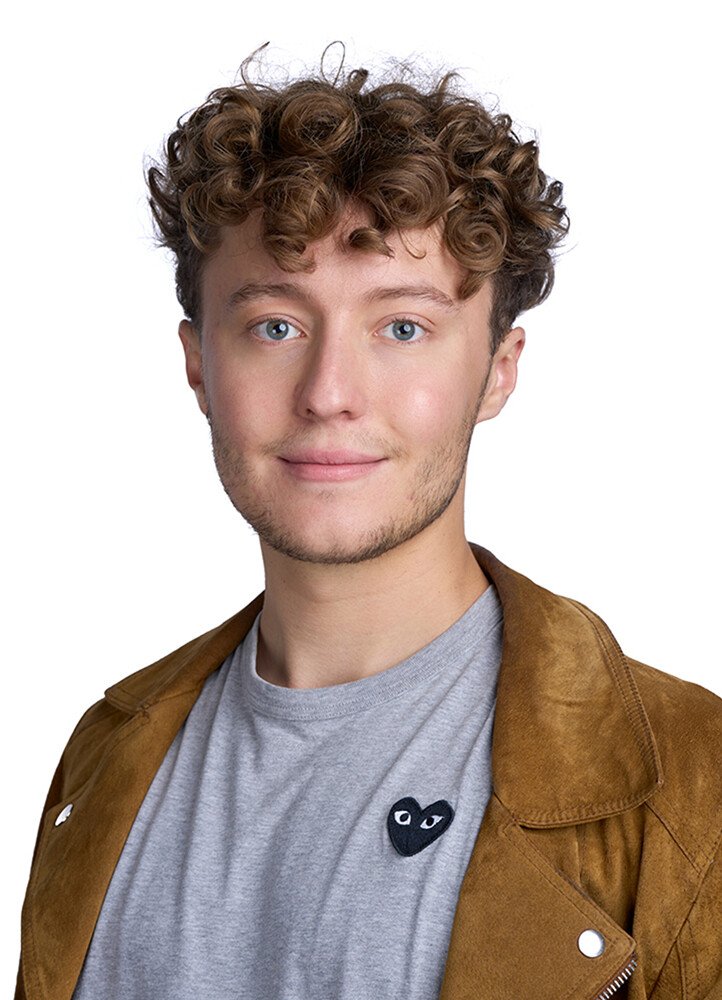
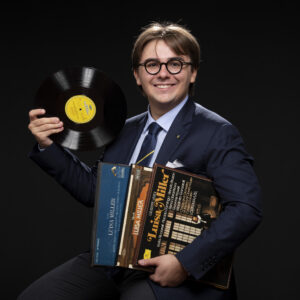
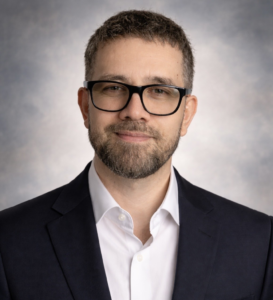
There are people you happen to meet in the corridors of a theatre who immediately strike you as kind, warm and wonderfully smiley. That was certainlythe case when I first met Fabio some time ago in the corridors of the Opernhaus Zürich, where he is known and loved by just about everyone. Today, I would like to shine a light on the profile of someone who is both passionate and fascinating, and who undoubtedlyhas a very bright future ahead of him in stage directing, among other things.
Grand Geoffrey : To begin with, could you introduce yourself? Who are you, what do you do for a living, and how long has opera been part of your everydaylife?
Fabio Rickenmann: My name is Fabio Rickenmann, and I am the Casting Associate and Dramaturg at Konzert und Theater St. Gallen. Alongside this,I also work as a freelance stage director. Opera has always been an integral part of my life, whether through discovering my first Karajan CDs or during my childhood, when I was already on stage singing all those boy roles in operas, from one of the boys in The Magic Flute to the shepherd boy in Tosca. I am fortunate enough to have been able to turn my passion into my profession, and I am immensely grateful that, even today, I can devote almost every day of my working week to opera.
Grand Geoffrey: If you could relive one production you have seen in your lifetime, which one would it be, and why?
Fabio Rickenmann: The great Krzysztof Warlikowski’s production of Macbeth, which I had the chance to see at the Salzburg Festival, was without a doubt a definingexperience for me. Having the opportunity to work with such an incredible artist and learn from him had a profound influence on the way I see opera and stage direction today.
Grand Geoffrey: What is, for you, the most beautiful production that has ever existed?
Fabio Rickenmann: Oh! That’s a difficult question! I don’t think there is, for me, any one production that I could call “the most beautiful”. What is wonderfulabout our profession is being able to discover such a wide variety of interpretations and aesthetic approaches on stage. Even if not everything appeals to everyone, this pluralism, and the debate surrounding different approaches, are what allow opera to remaina living art form.
Grand Geoffrey: What do you think about AI being used in opera productions, as happened recently in Salzburg?
Fabio Rickenmann: I haven’t followed what happened in Salzburg with AI, but when I think, for example, of the “AI-Ring” in Bayreuth, it worries me. We all needto learn how to use AI, and we can certainly make use of it as a tool. However, the moment AI begins to replace the work of artists who have devoted years of academic training to perfecting their craft, that becomes a problem for me. Art derives its very purposefrom being the result of human inspiration. We must not lose sight of the human element. Whether it is in production posters, as is increasingly common today, in video design, literary texts, or even music.
Grand Geoffrey: Which opera would you dream of directing with your ideal cast?
Fabio Rickenmann: Since I’m dreaming anyway, I might as well go back in time 😉 Don Carlo: Franco Corelli (Carlo), Carol Vaness (Elisabetta), Giorgio Zancanaro (Posa), Grace Bumbry (Eboli), Cesare Siepi (Filippo), Matti Salminen (GrandInquisitor).
Grand Geoffrey: In your opinion, what is the first opera an opera newcomer should see?
Fabio Rickenmann: Without a doubt, Tosca: magnificent music, a gripping story that, with its mix of sex and crime, has nothing to envy from a Netflix series,wonderful arias and, most of the time, a fabulous cast.
About the Author